
The journey for change…
Safari Doctors believes that access to healthcare is a right, not a privilege.
In Kenya’s remote coastal and border regions, health services are often out of reach. Distance, insecurity, and decades of neglect leave women, youth, and indigenous communities without consistent care. Preventable illnesses remain untreated, maternal and child health challenges persist, and animal health — vital for household livelihoods — is overlooked; communities remain locked in cycles of poor health outcomes.
Safari Doctors transforms this reality through a women-led, youth-powered model that places trusted community members at the forefront; by linking treatment with education, advocacy, and evidence, we create tailored interventions that grow into sustainable systems of care. This is how we move beyond short-term relief to long-term outcomes: healthier families, resilient communities, and generations empowered to thrive with dignity.
This is our Journey for Change.
Every dollar matched 1:1 by Grand Challenges Canada while the CAD 640,000 match runs.
Our Impact
On people, animals and the places in between.
People reached
Jan–Jun 2026
Over half the 65,000+ full-year target
Implementation sites
Jan–Jun 2026
17 facilities · 30 schools · 22 villages
Patient visits
Cumulative since 2020
Animals treated
Safari Vets, since 2020
Ambassadors trained
Since 2017
184 women · 153 men
Conditions treated
Jan–Jun 2026
1.42 per patient
Children under five
Treated, Jan–Jun 2026
Bicycles distributed
With World Bicycle Relief
Travel time down 47%
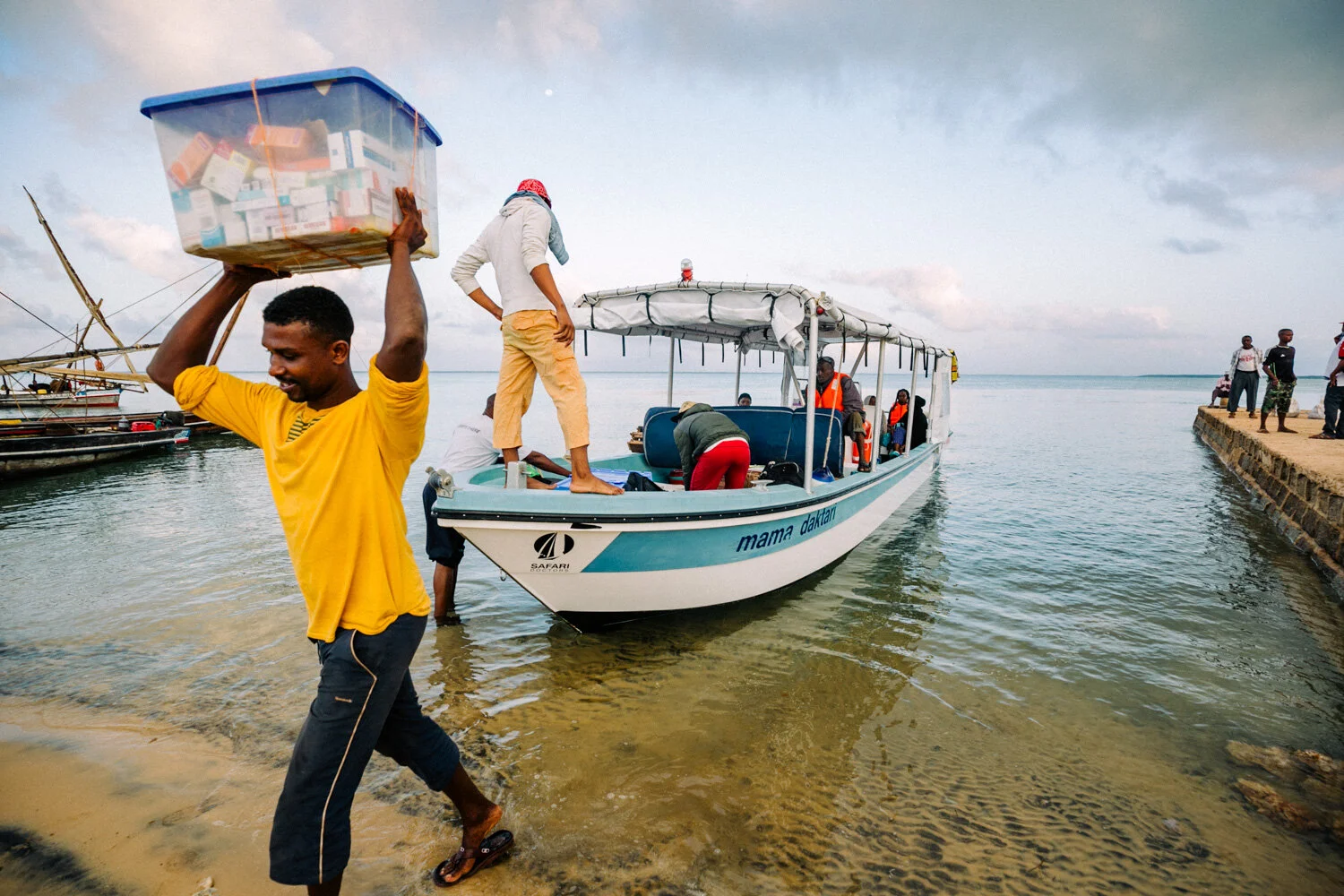
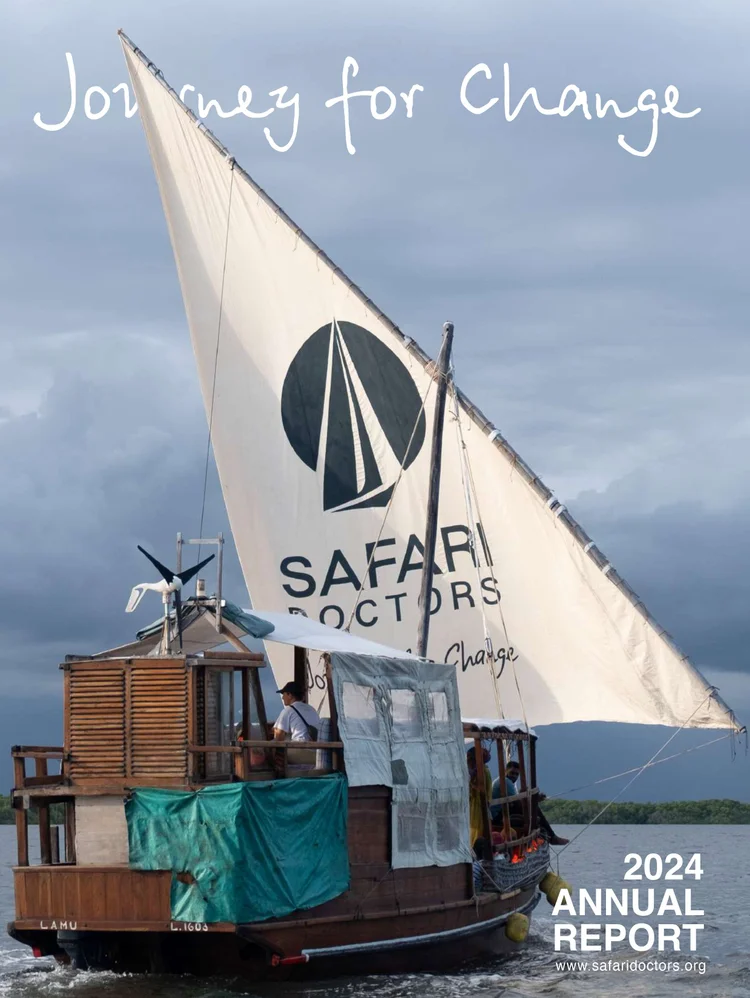
Journey for changeThe boat is not a metaphor. It is how the clinic reaches villages that no road does.
Impact Reports
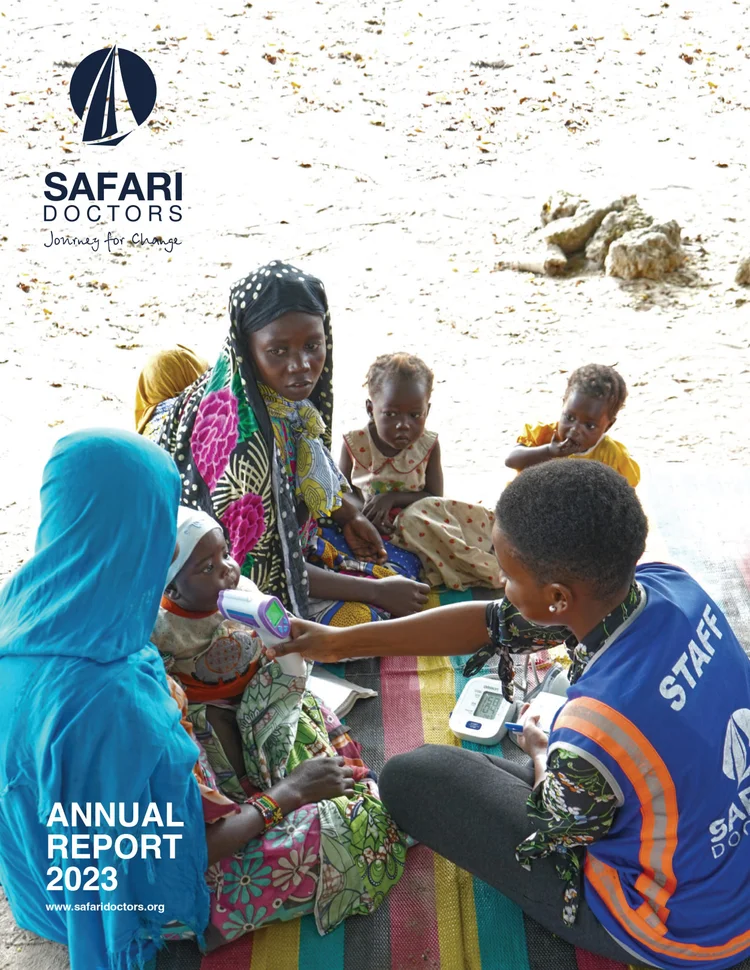
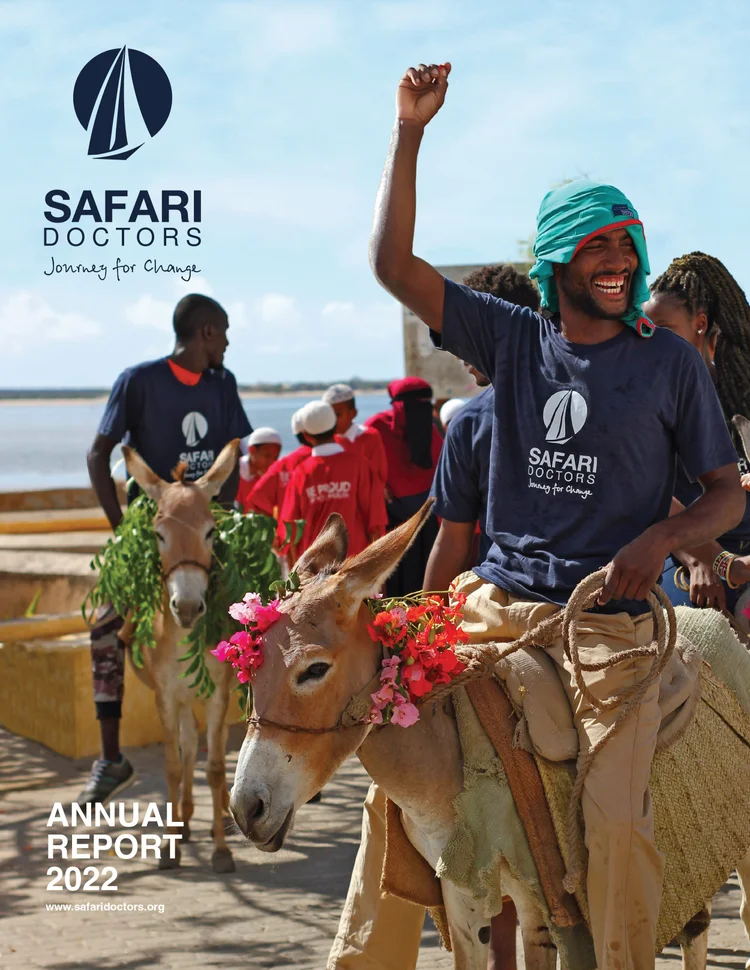
From the field — our annual and mid-year reporting, with the research behind it.
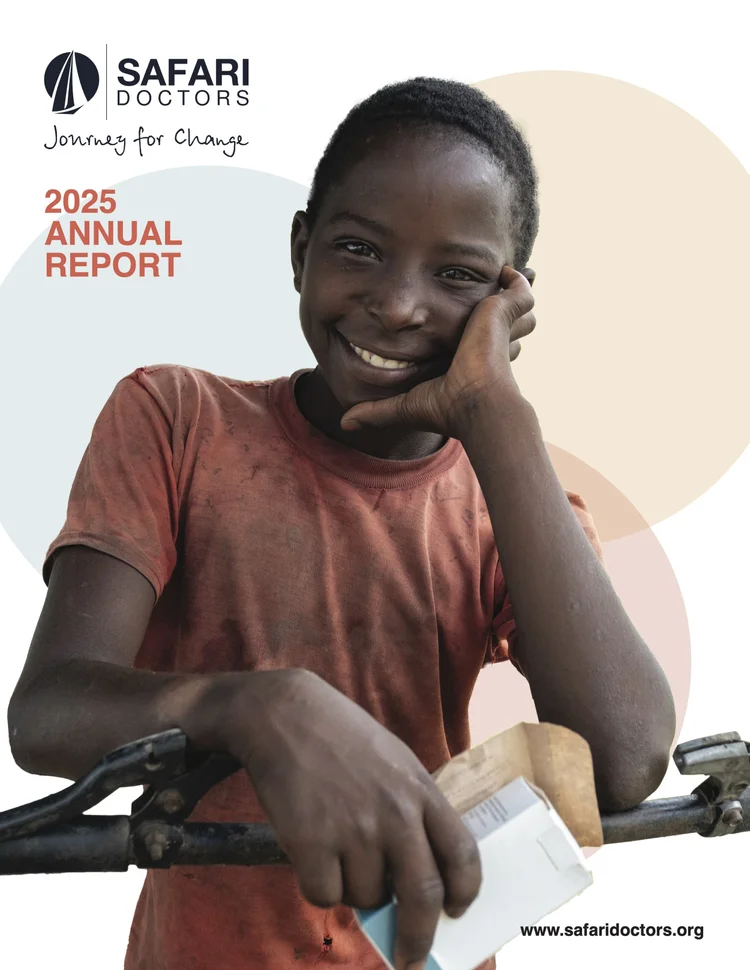
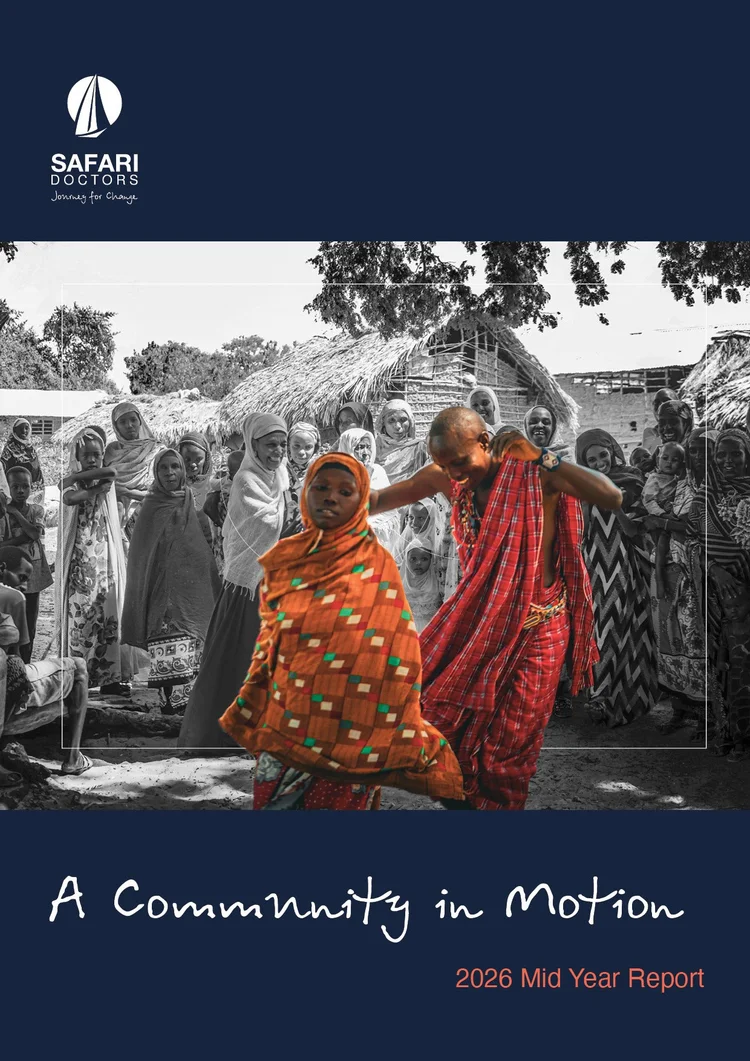
Distance is the diagnosis
Kenya’s North Coast is defined by isolation, insecurity and climate shock. These are the counties Safari Doctors was built for.
What We Do
Three connected pillars. Each works on its own; together they are what we mean by One Health.
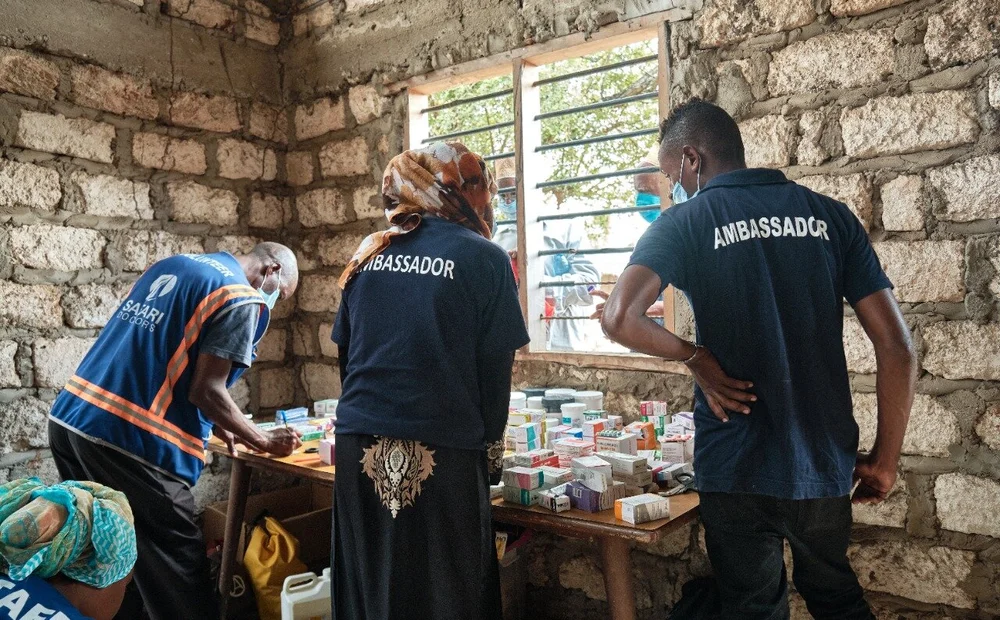
Youth Health Ambassadors
Young people aged 18–25, recruited from the villages they serve. They carry health education and promotion in schools, women’s groups and climate action, alongside Community Health Workers. 337 trained since 2017.
Learn more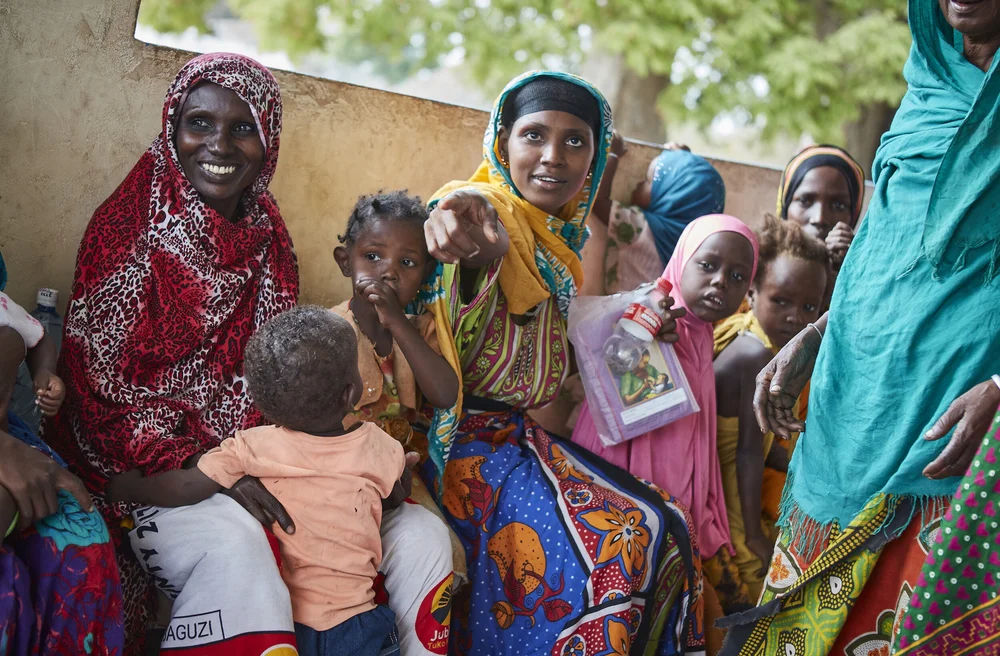
Women’s Voices & Advocacy
Maternal and reproductive health, and the organised women’s groups carrying those priorities into county health budgets and service design.
Learn more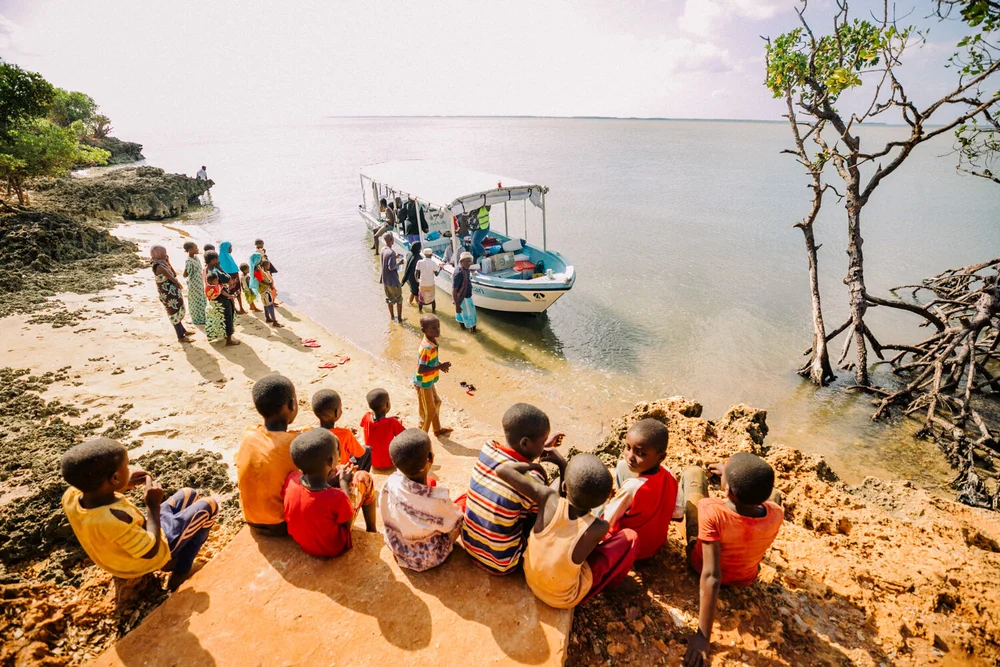
One Health Outreach
Mobile clinics by boat and road, the Safari Vets clinic at Shela, medical centres across Lamu County, and a referral pathway into Shungwaya Hospital.
Learn more
On the routeA clinic day in a village where the alternative is a day’s travel and a day’s wages.
Ways to Give
Costs taken from our own programme budgets. Pick the one you want to hold open, and we will tell you what happened to it.
One month of a Youth Health Ambassador’s stipend
One emergency boat transfer, at night, in any weather
One fully equipped medical backpack — BP monitor, glucometer, thermometer, first aid kit
A full-time midwife for Kiangwe, where Mama Fatuma has delivered babies for a lifetime
One Safari Vets camp: vaccines, drugs, transport, logistics
One full monthly medical outreach, start to finish
Field Dispatches
The latest stories and updates from Lamu, Tana River and Garissa.
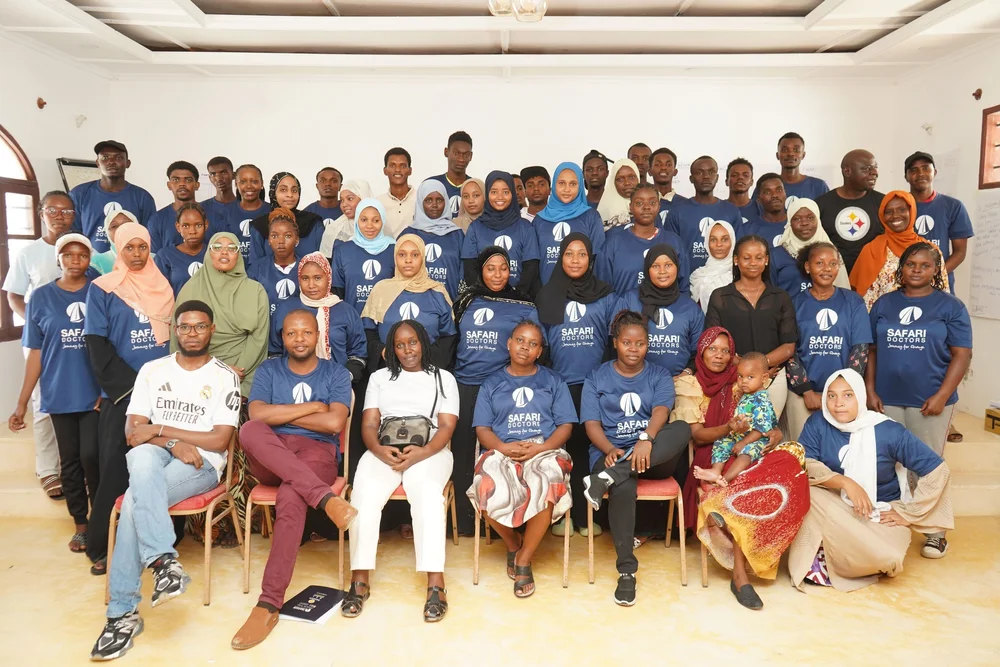
Building health systems that listen earlier
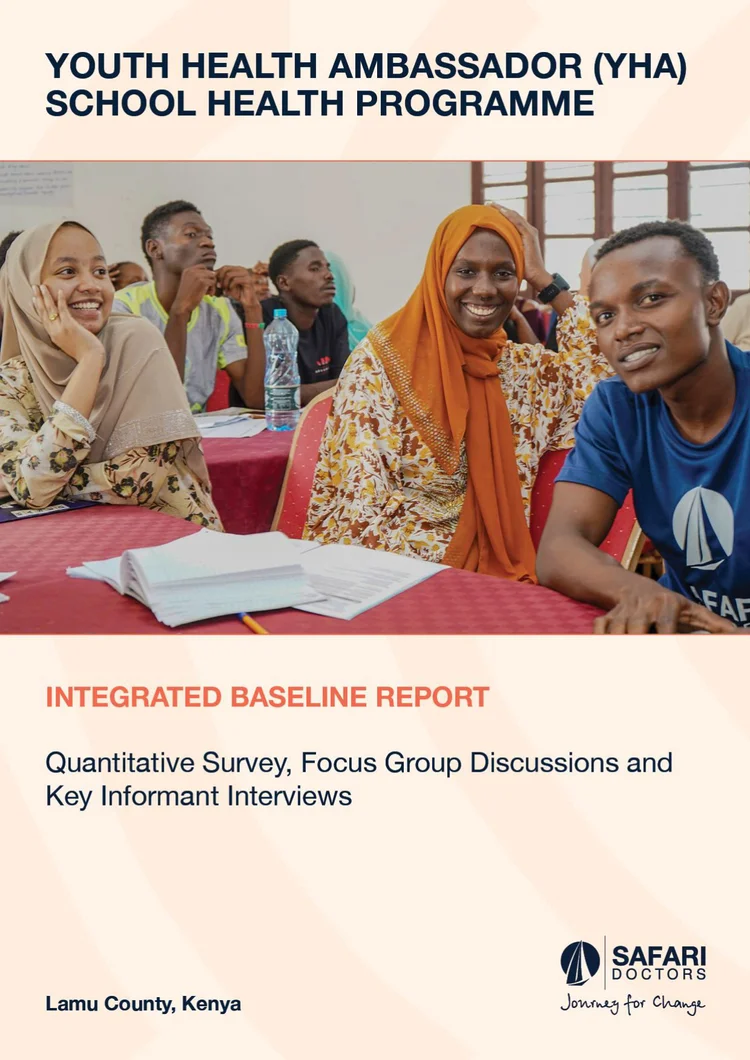
What the 2026 baseline told us about what young people in Lamu already know, and what they are still asking for.
9 February 2026
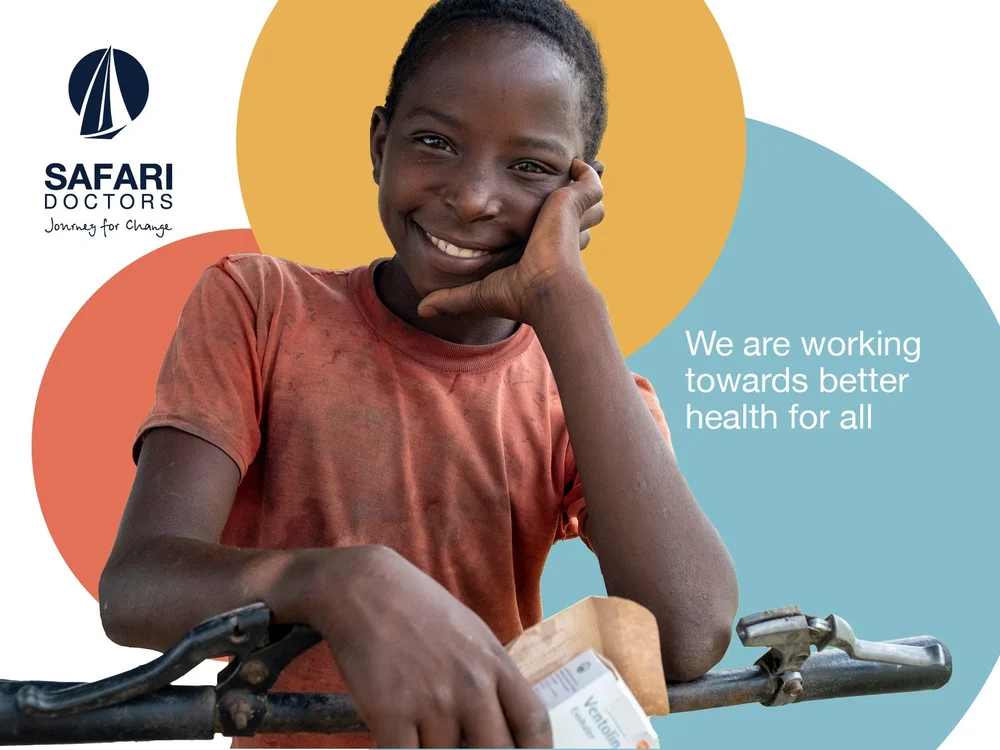
Journey for Change: Q3 2025
Three months of outreach across Lamu, Tana River and Garissa, by the numbers.
31 October 2025
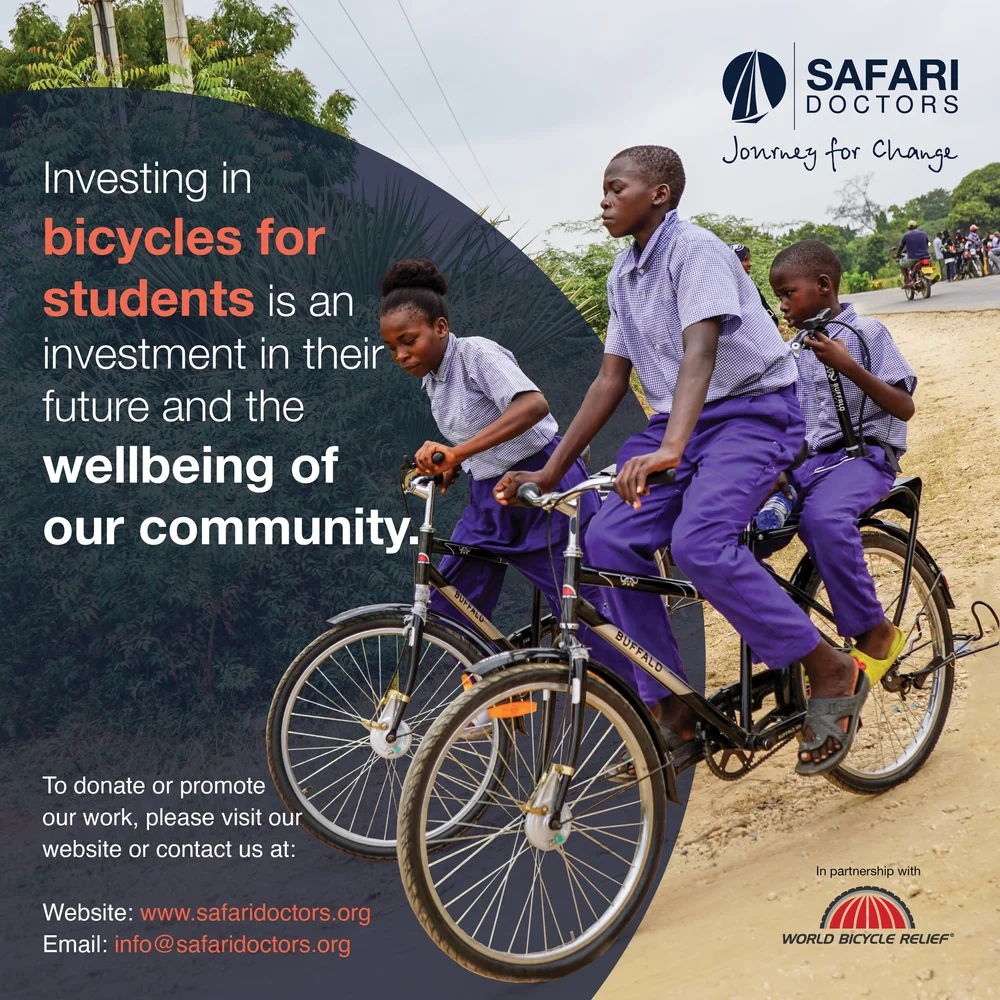
200 bicycles, and 47% off the journey to school
Travel time down from 146 minutes to 77. Monthly transport cost down 98%. Three local mechanics trained.
25 February 2025
Where this goes by 2030
The Strategic Plan 2025–2030 sets the targets. These are them.
Youth Health Ambassadors
trained, from 337 since 2017 — with two embedded in every school
Women’s advocacy groups
inside county budget processes, from 138 groups now in civic education
Outreaches a year
human and veterinary, with 3–5 new villages added annually
Shungwaya hospital
Level 4, fully operational — complete end 2027
Ten new schools a year. KES 80M raised by 2030. Unrestricted income and reserves growing 25–50% a year, so the work continues between grant cycles rather than pausing with them.