Safari Vets
In herding and island households the animal is the savings account. Protect the herd and you protect the household’s capacity to seek care.
Animal Health, First Half of 2026
The herd is the health budget
When a herd collapses, the household stops paying for transport to a clinic, stops buying medicine, and pulls children — usually girls — out of school. The health effect arrives months after the veterinary event.
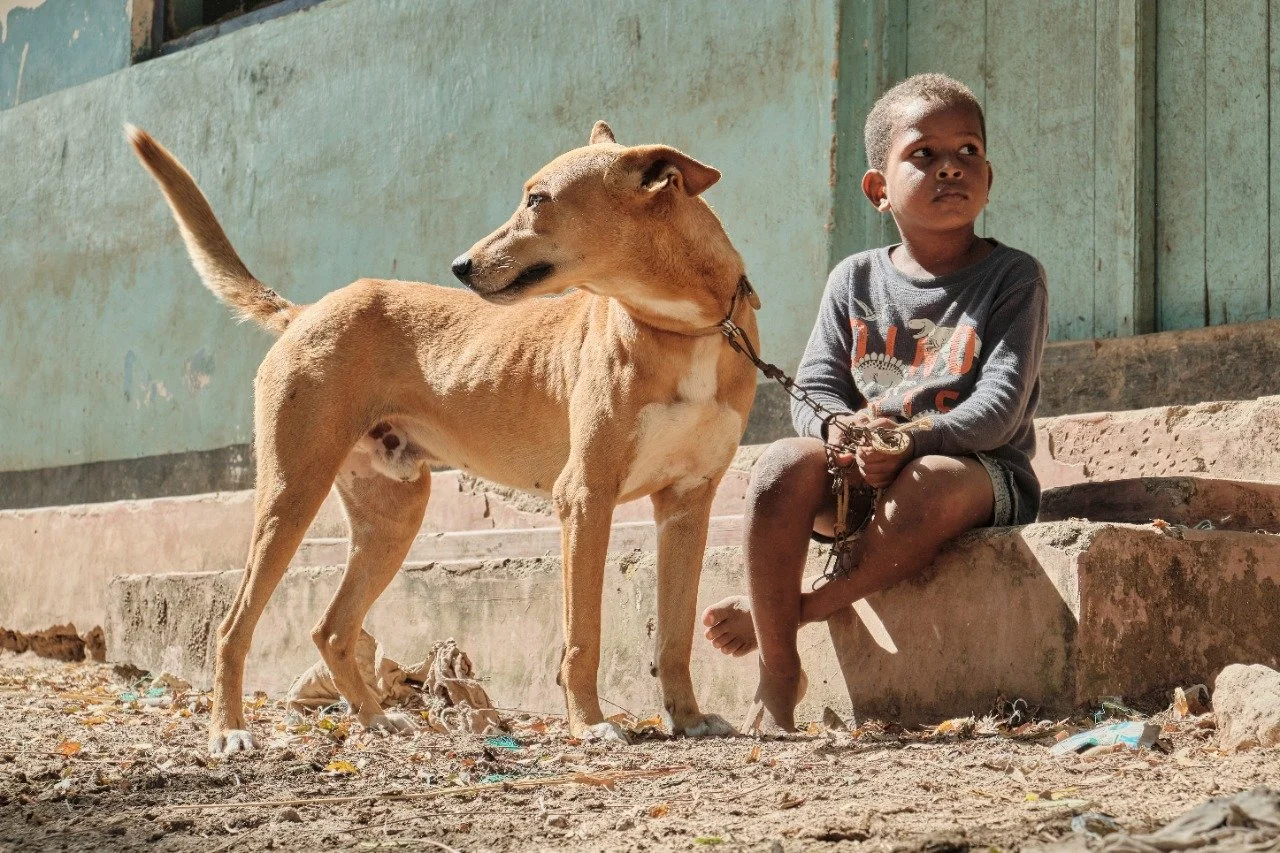
People, livestock and working donkeys share water and space in settlements with poor waste management. Rift Valley fever, brucellosis, rabies and anthrax risk sit in exactly the households our medical team is already visiting.
In Lamu Old Town — a UNESCO World Heritage site with no cars — donkeys carry water, building materials and goods. Their welfare is a public health question and a heritage question at once.
A clinic, and twelve camps a year
Launched May 2018, part-funded by a vet clinic and pet shop on Lamu island.
The Shela Vet Clinic
A fixed clinic and pet shop on Lamu island. Target: at least 50 clinic patients a month, with clinic revenue tracked as a headline indicator.
Mobile camps
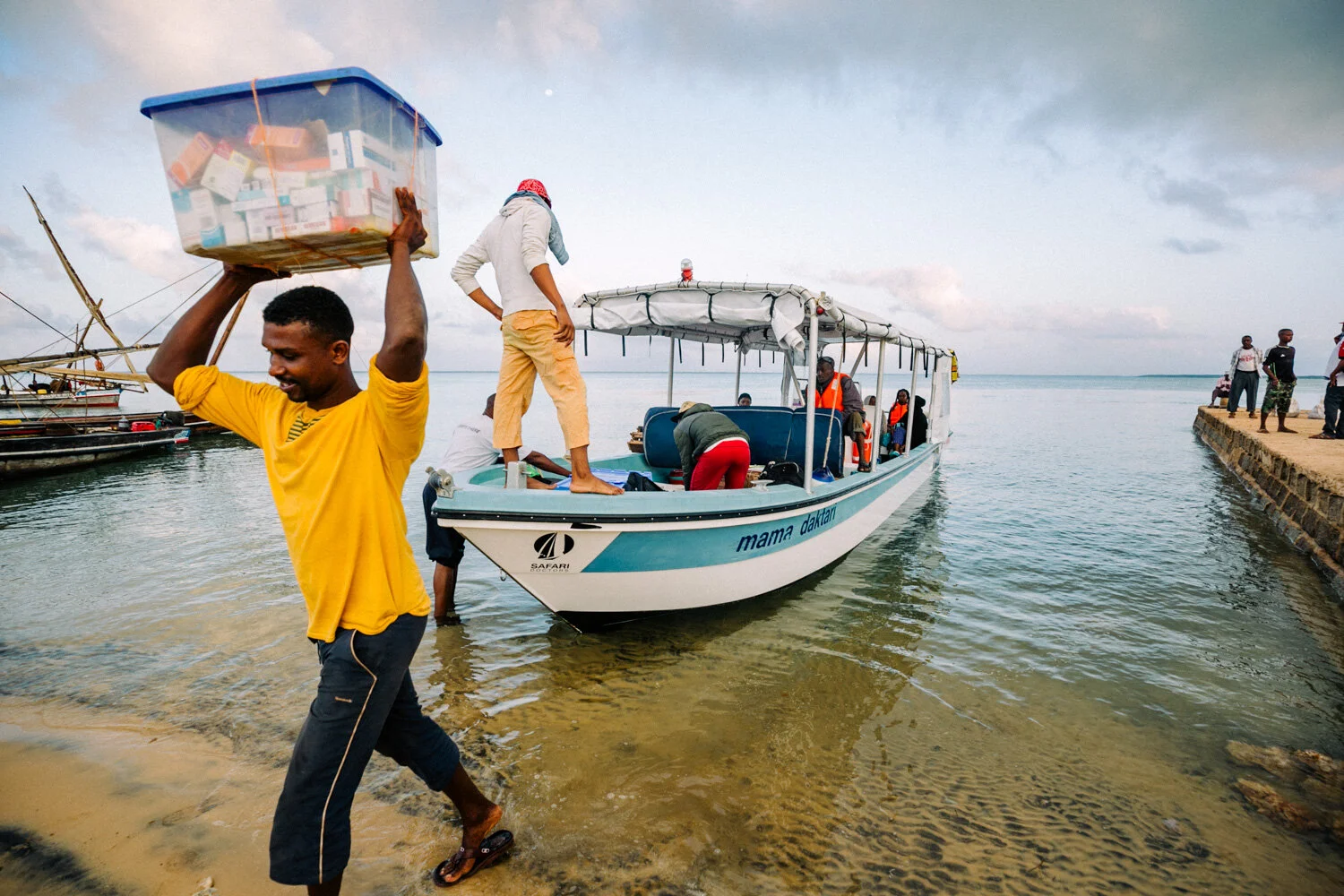
Vaccination and treatment camps scheduled alongside human health outreach, so a household can bring a child and a goat to the same visit on the same day.
Prevention and welfare
Trap-neuter-return, vaccination campaigns, community training on responsible ownership, and zoonosis prevention.
We want training on how to take care of our animals properly — they are how we live.
Community member, LamuClinic enquiries: antoneta@safaridoctors.org
What it buys
One Safari Vets camp: vaccination and treatment for a settlement’s herd, scheduled alongside the human outreach so a household brings a child and a goat to the same visit.
What it returns
2,724 animals treated and 326 vaccinated in the first half of 2026 — and a household whose savings account is still standing when someone falls ill.
One HealthA household’s herd is its savings account. Animal health is household economics.
What the evidence does not yet show
The link to household health is our premise, not our finding
We can show the veterinary numbers: 2,724 animals treated and 326 vaccinated in the first half of 2026, across households the medical team already visits.
What we have not measured is the chain itself — that a household whose herd stayed healthy went on to pay for transport to a clinic, or kept a daughter in school. It is a reasonable premise, it is why the camps travel with the outreach, and it is the next thing worth funding properly.
Zoonotic risk is the part that needs no inference. People, livestock and working donkeys share water and space in settlements with poor waste management.
Safari Vets, in pictures
Six activities that make animal health a health programme.
The animal is the savings account
Treatment and vaccination for household animals in herding and island settlements, scheduled alongside the human outreach so a family brings a child and a goat to the same visit on the same day.
Why it matters2,724 animals treated and 326 vaccinated in the first half of 2026, reaching 639 owners. When a herd collapses, the household stops paying for transport to a clinic.
Twelve camps a year
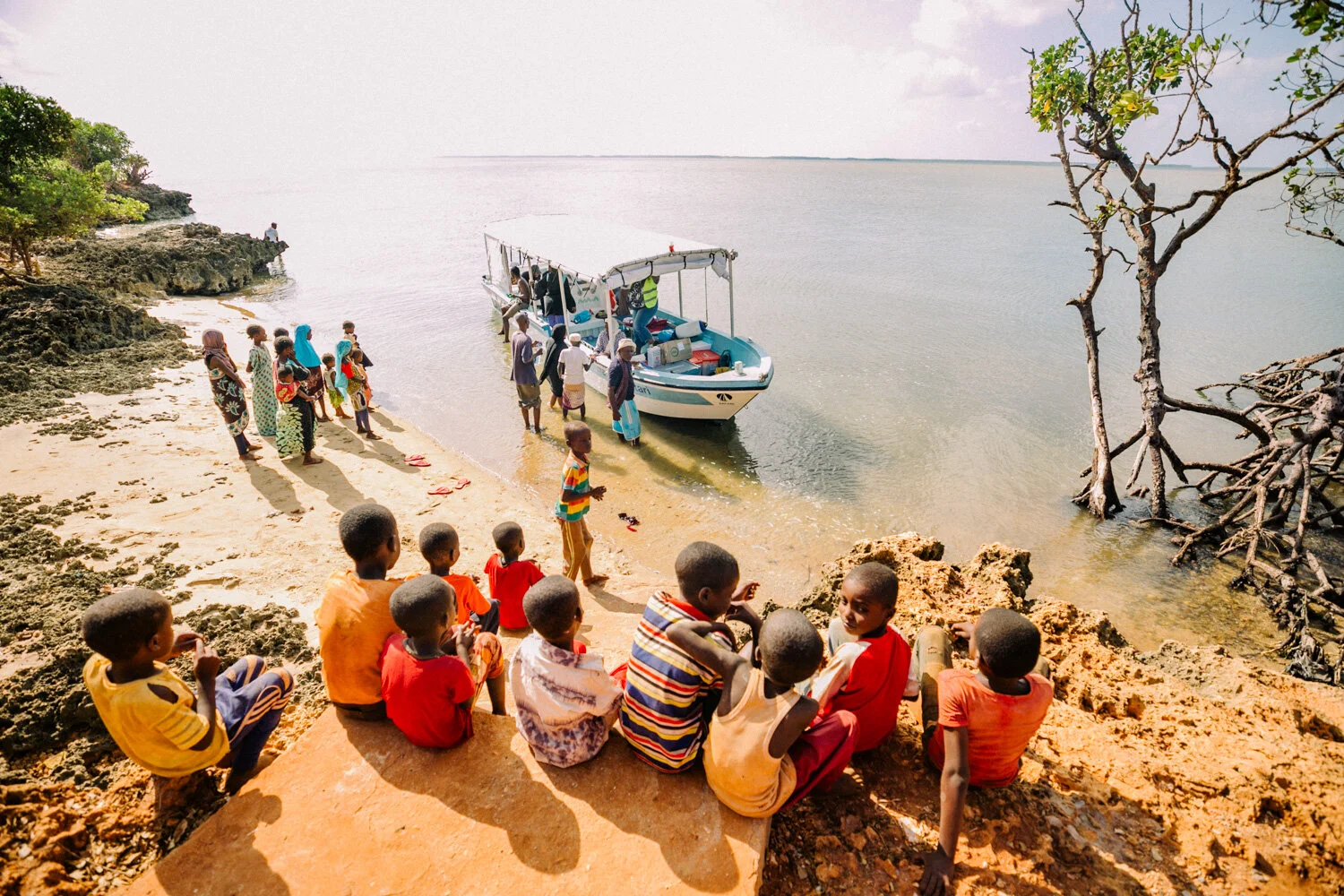
Vaccination and treatment camps run on the same calendar as the medical outreach, in the same settlements, by a team the community already knows.
Why it matters$2,100 funds one camp. Twelve human and twelve veterinary outreaches a year is the standing target to 2030.
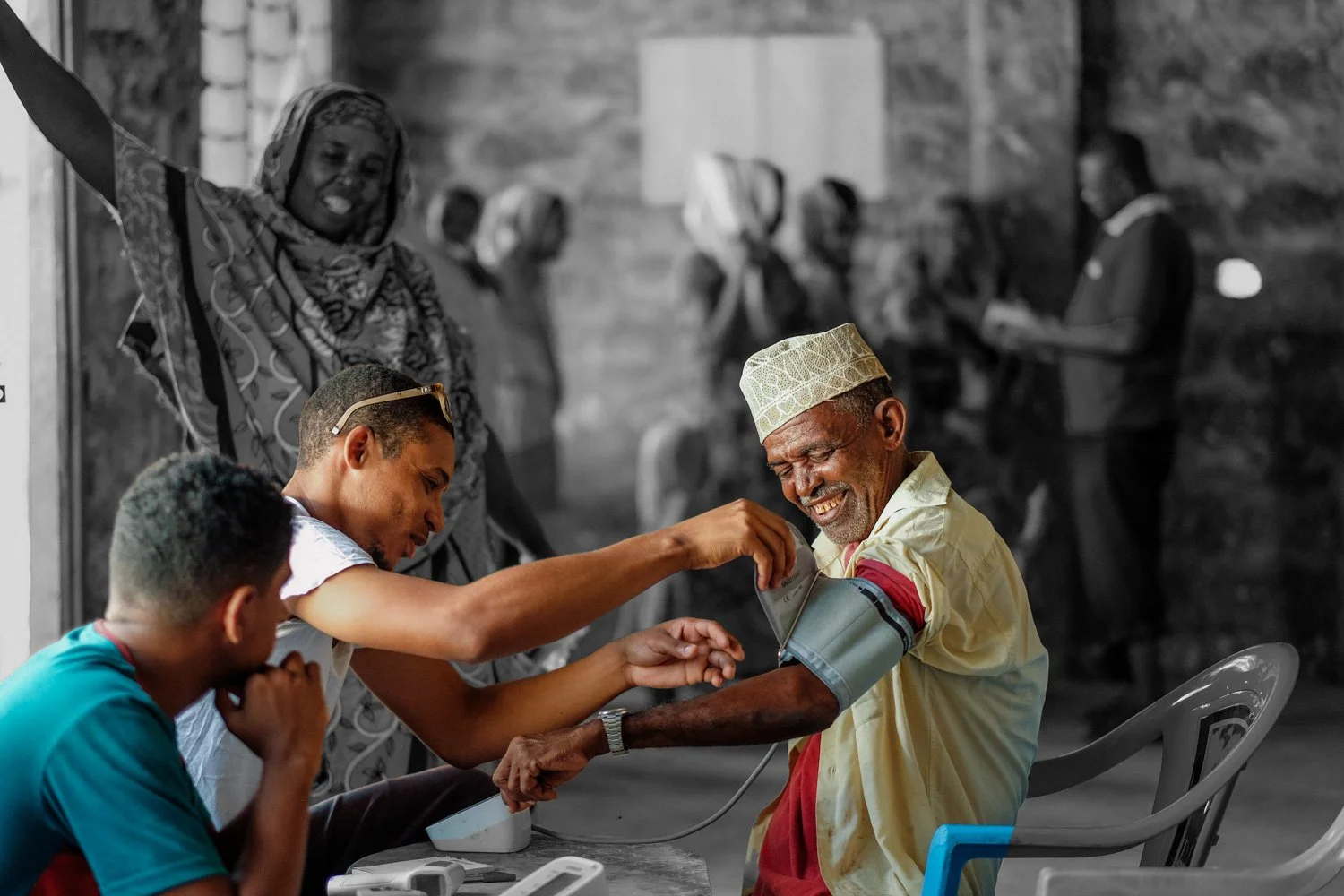
Where people and animals share water
People, livestock and working donkeys share water and space in settlements with poor waste management. Rift Valley fever, brucellosis, rabies and anthrax risk sit in exactly the households the medical team is already visiting.
Why it mattersThis is the part of the One Health argument that needs no inference. The same visit, the same household, the same water.
Donkeys in a town with no cars
In Lamu Old Town, a UNESCO World Heritage site, donkeys carry water, building materials and goods. Their welfare is a public health question and a heritage question at once.
Why it mattersTrap-neuter-return, vaccination campaigns and community training on responsible ownership run year round, not only on camp days.
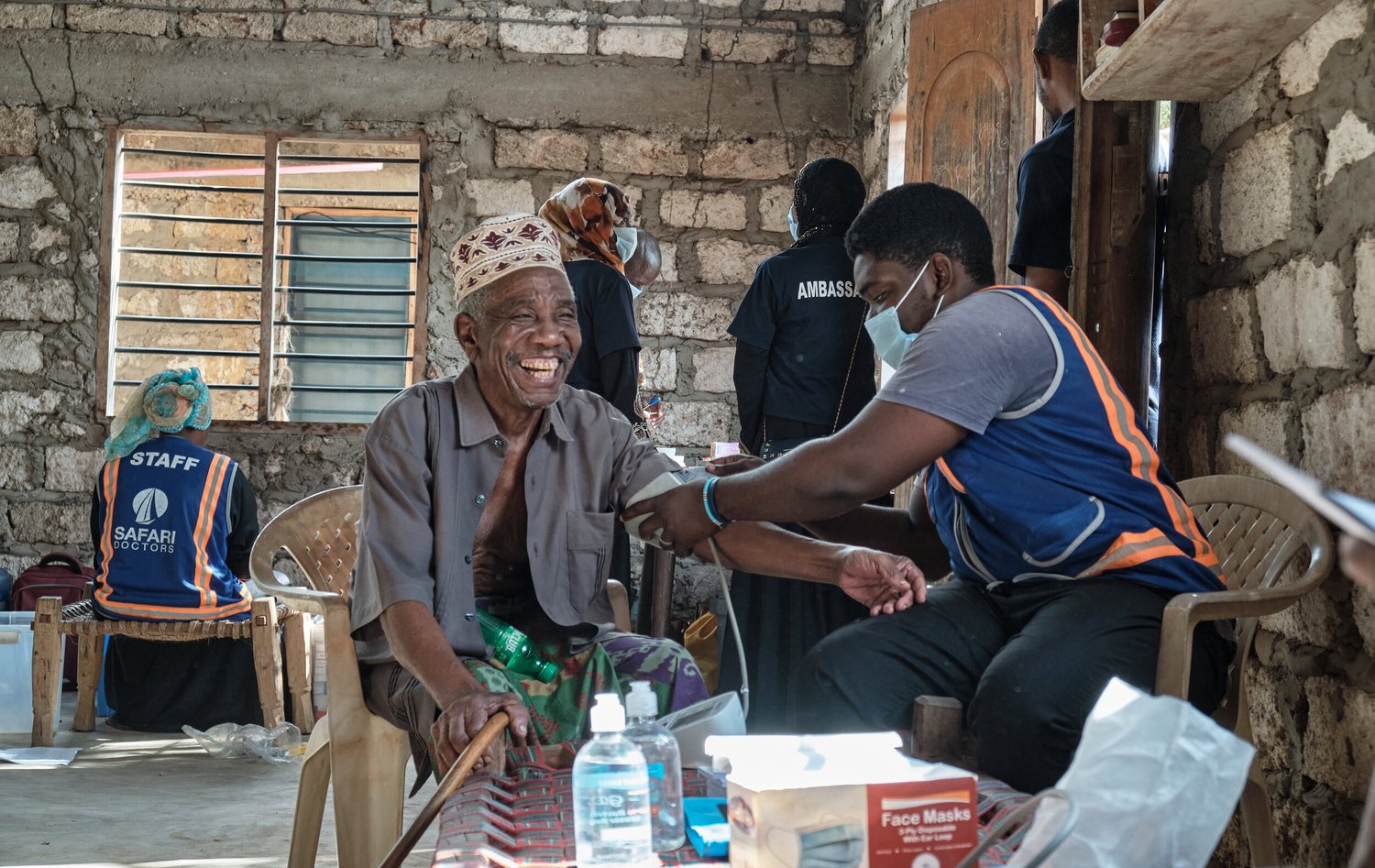
The Shela clinic
A fixed veterinary clinic and pet shop on Lamu island, launched in May 2018 and part-funding the mobile work through its own revenue.
Why it mattersTarget: at least 50 clinic patients a month, with clinic revenue tracked as a headline indicator. Earned income is the point, not a side effect.
Training owners, not just treating animals
Community training on responsible ownership, disease recognition and zoonosis prevention, delivered to the people who will be with the animal every day after the team leaves.
Why it matters“We want training on how to take care of our animals properly — they are how we live.” A herder in Lamu, asked what would help most.
What the activities have produced
H1 2026
2,724
animals treated
H1 2026
326
animals vaccinated
H1 2026
639
owners reached
Since 2018
12
camps a year, scheduled with the human outreach
Enhance access to quality veterinary care by strengthening and expanding the veterinary programme — improving animal welfare and safeguarding the livelihoods of animal-dependent populations.
Strategic Plan 2025–2030 · strategic priorityThe latest quarter
Safari Vets, July to September 2026, from the clinic register.
96
animal care contacts — 37 in July, 36 in August, 23 in September. Dogs were 88.5% of them, with cats, goats and one equine making up the rest.
60.4%
of care was parasite-related. Mango worm infestation alone accounted for 46 contacts, with deworming and external parasites behind it.
30
vaccination entries, 18 of them involving rabies vaccine — the zoonosis with the clearest line to human health.
93.8%
of care entries documented a treatment or procedure. The register does not consistently record recovery, so treatment is not the same as outcome.