One Health Outreach
Not a medical camp. A route, run monthly, by the same team — so a patient started on treatment in March is seen again in April.
The Route in Numbers
January to June 2026.
Outreach contacts
Jan–Jun 2026
Conditions treated
1.42 per patient
Children under five
treated
Villages reached
plus 3–5 new villages added each year
Reach, and what people come with
People reached — 2025 full year, H1 2026, and the 2026 target
Top presenting conditions, 2025
34% of NCD visits in 2025 were repeat visits — the beginning of continuity rather than one-off treatment.
A clinical team, not a donation drop
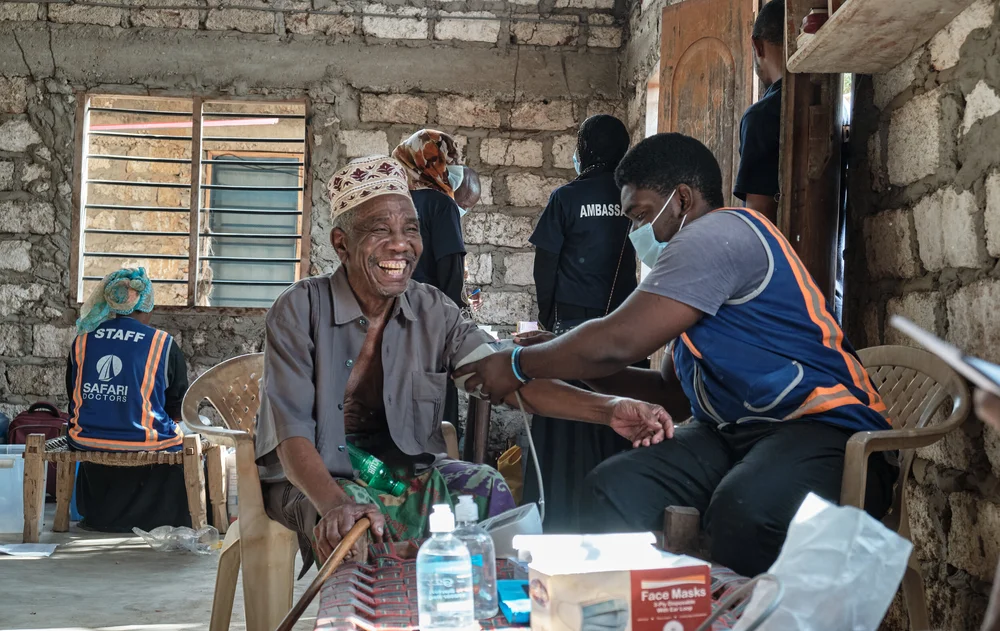
What travels
Nurses, a clinical officer, laboratory capacity and community health volunteers, with medication, diagnostics and cold chain. RMNCAH, integrated community case management, IMNCI, family planning and referral.
How it travels
Boat for the archipelago, vehicle for the Tana and Garissa, air when the season closes the rest. A boat captain and a driver are permanent positions — mobility is the service.
The dispensary is here, but there is no doctor and no medicine. When Safari Doctors come, we are seen.
Community member, Lamu archipelago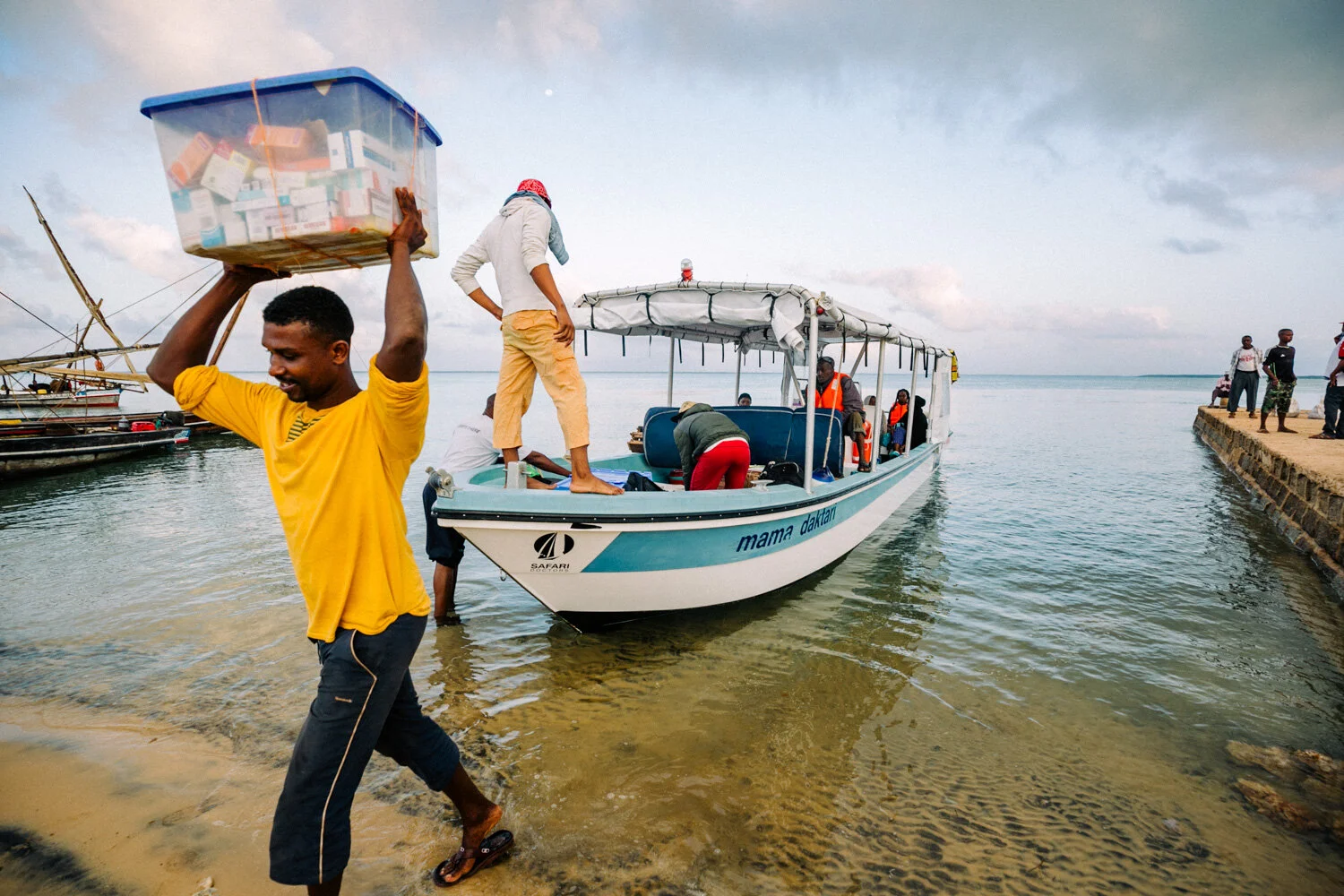
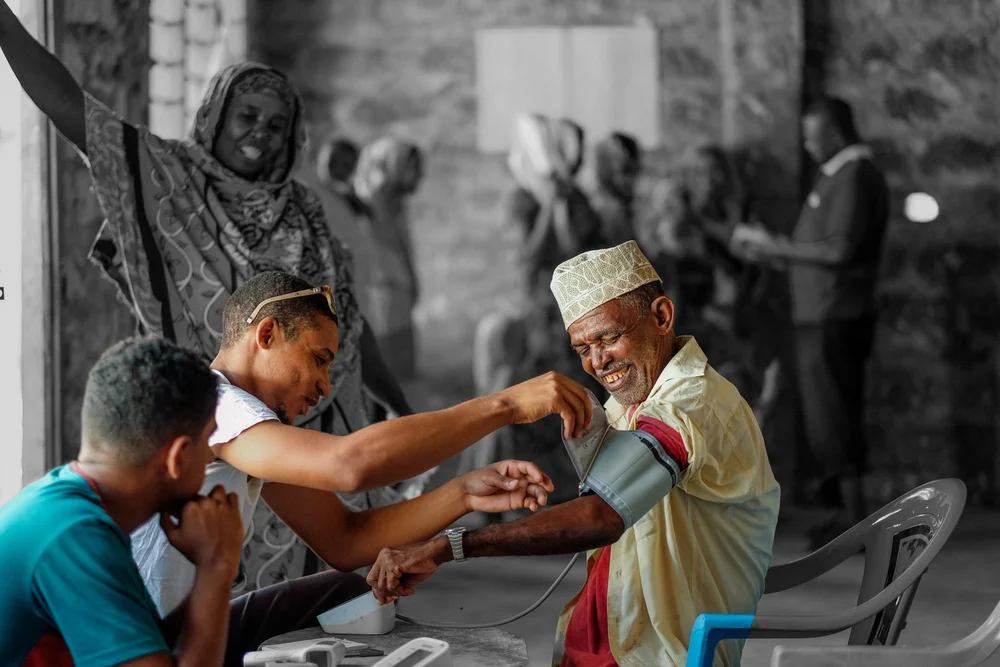
Under the treeA blood sugar reading taken where the patient is, rather than where the clinic is.
What it buys
One full outreach: the clinical team, the boat or vehicle, medication, diagnostics and cold chain, for every village on that month’s route.
What it returns
Roughly 1,700 contacts and 2,400 conditions treated at the first-half 2026 rate — and the same team back next month, which is what turns a visit into treatment.
The same patient, the next month
What the 2025 non-communicable disease records show about continuity.
160
patients returned in two or more months of 2025. Thirty-six came three times or more; nine came four times or more.
63.8%
of the 2025 NCD patient records are women — the group least able to travel for a facility appointment, and the group the route reaches at home.
7 in 10
NCD patients are over 50. Hypertension and diabetes are conditions of return visits, not single encounters.
14.3%
carry both hypertension and diabetes at once. Treating one and missing the other is how a chronic patient is lost.
What the evidence does not yet show
Continuity is beginning, not established
34% of non-communicable disease visits in 2025 were repeat visits, and 160 patients came back in two or more months. That means roughly two thirds were still seen once.
We count contacts and conditions treated. We do not yet publish outcomes — blood pressure controlled, treatment completed, referral closed. Building that is what the Community Health Toolkit and the fixed facilities are for.
A monthly route is the condition for continuity. It is not the same thing as continuity.
Chronic care, monthly1,306 non-communicable disease consultations in 2025. A third were people coming back.
The route, in pictures
Six parts of a month on the route, and what each one produces.
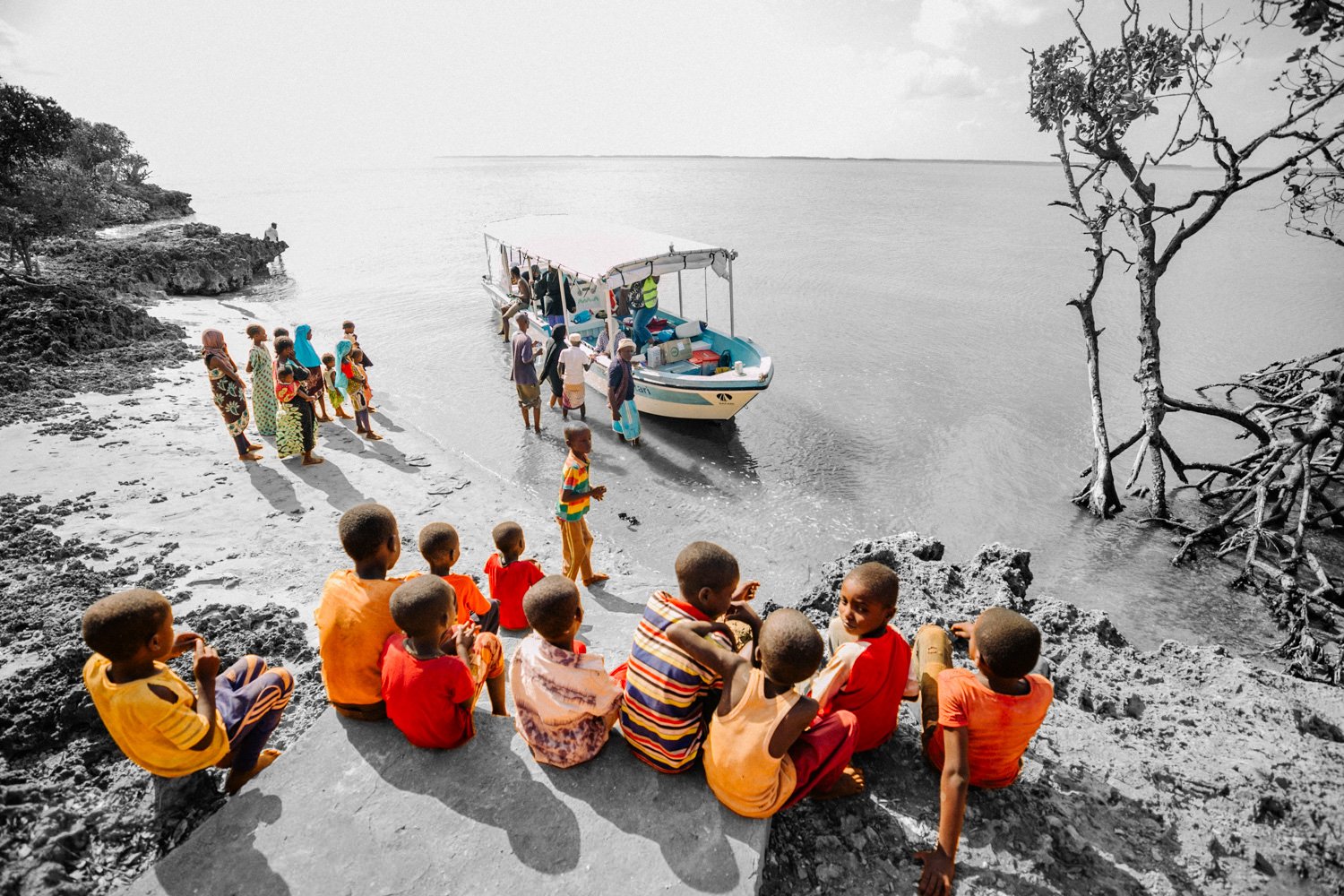
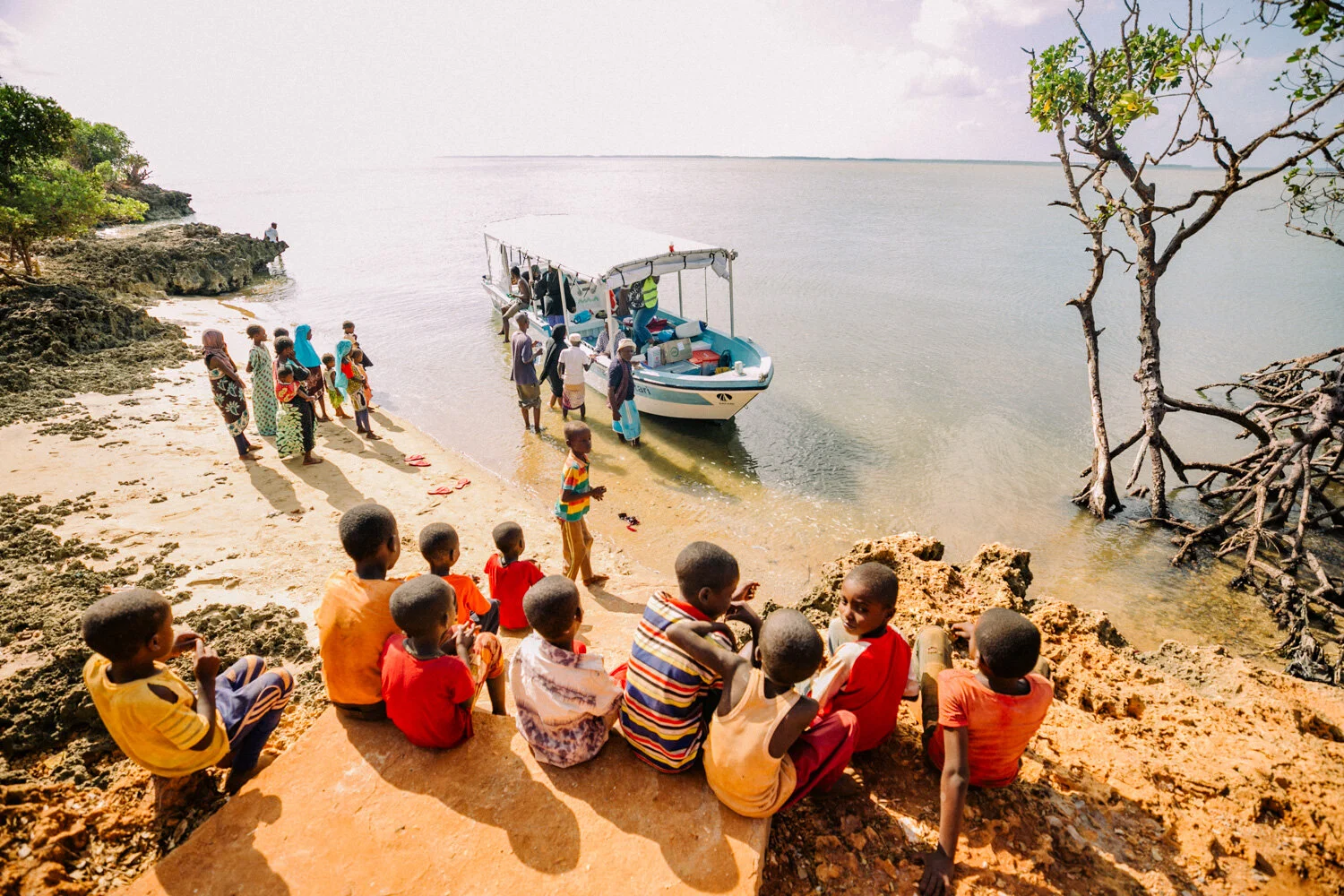
The boat comes in
A monthly route by boat through the Lamu archipelago, by vehicle into Tana River and Garissa, and by air when the season closes the rest. The same team each month, so a patient started on treatment in March is seen again in April.
Why it matters22 villages were reached in the first half of 2026, with 3–5 new villages added a year. Presence over time is what turns access into continuity.
A clinic day in a village
Nurses, a clinical officer, laboratory capacity and community health volunteers, with medication, diagnostics and cold chain. RMNCAH, integrated community case management, IMNCI, family planning and referral, in one visit.
Why it matters10,192 outreach contacts and 13,415 conditions treated in the first half of 2026 — 1.42 conditions per patient. People do not present with one thing.
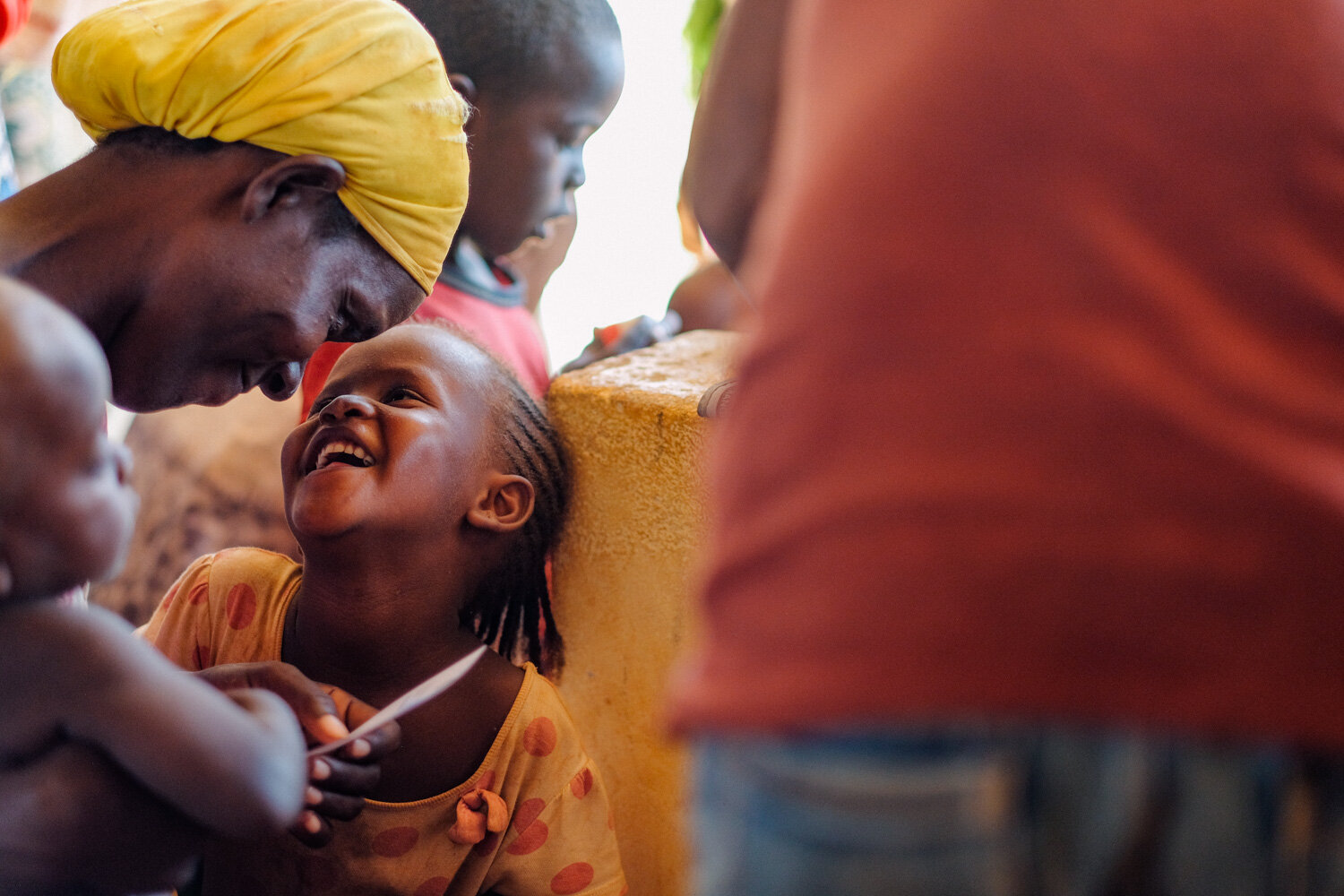
Mothers and children first
Antenatal care, immunisation and integrated management of childhood illness are the backbone of every outreach day, with children under five seen first.
Why it matters2,227 children under five treated in the first half of 2026; 328 immunisations delivered across 2025.
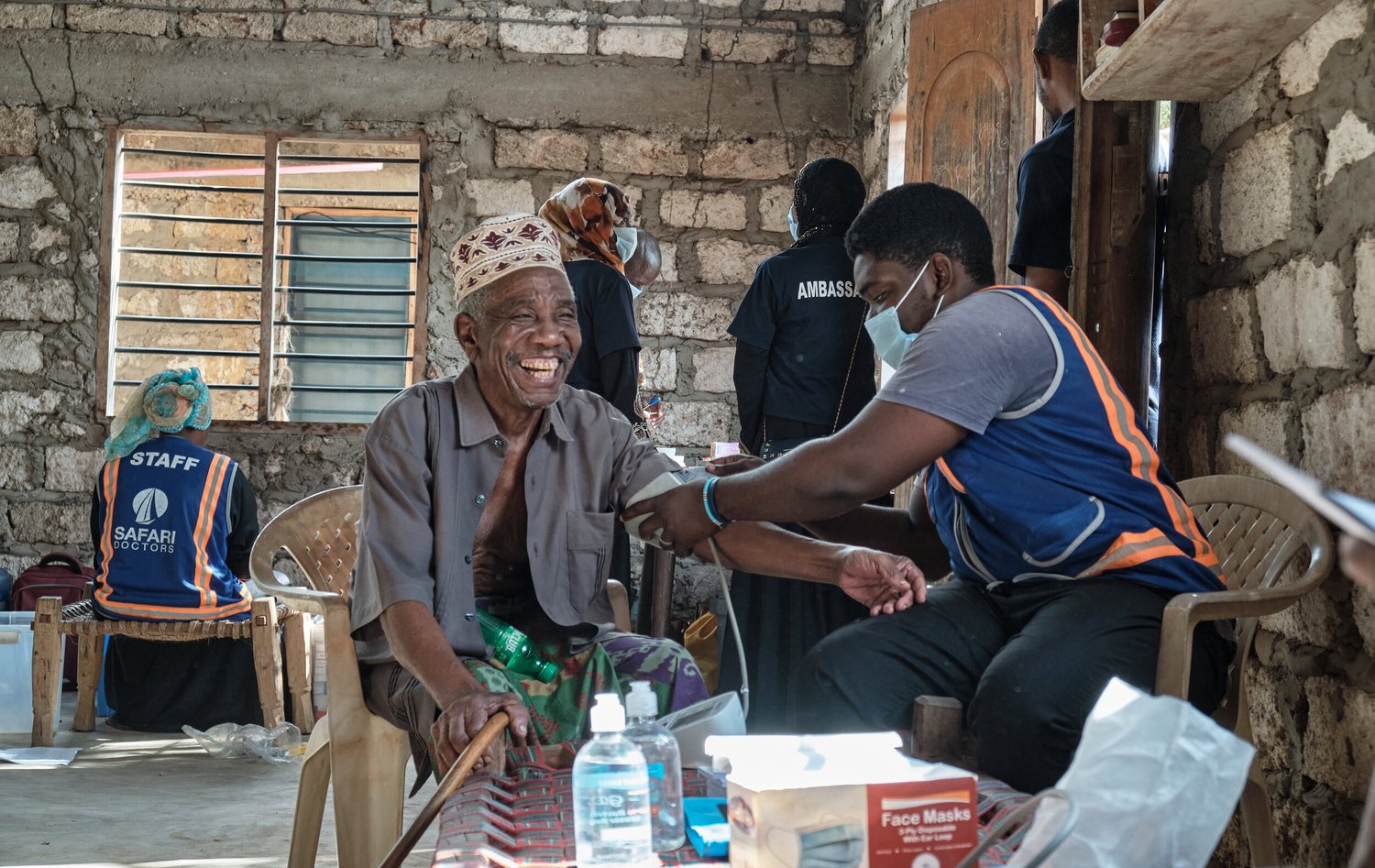
Blood pressure, month after month
Hypertension and diabetes are managed on the route, with the same patients seen across consecutive months and their records carried forward rather than restarted.
Why it matters160 patients returned in two or more months of 2025; 36 came three times or more. 63.8% of the chronic caseload are women.
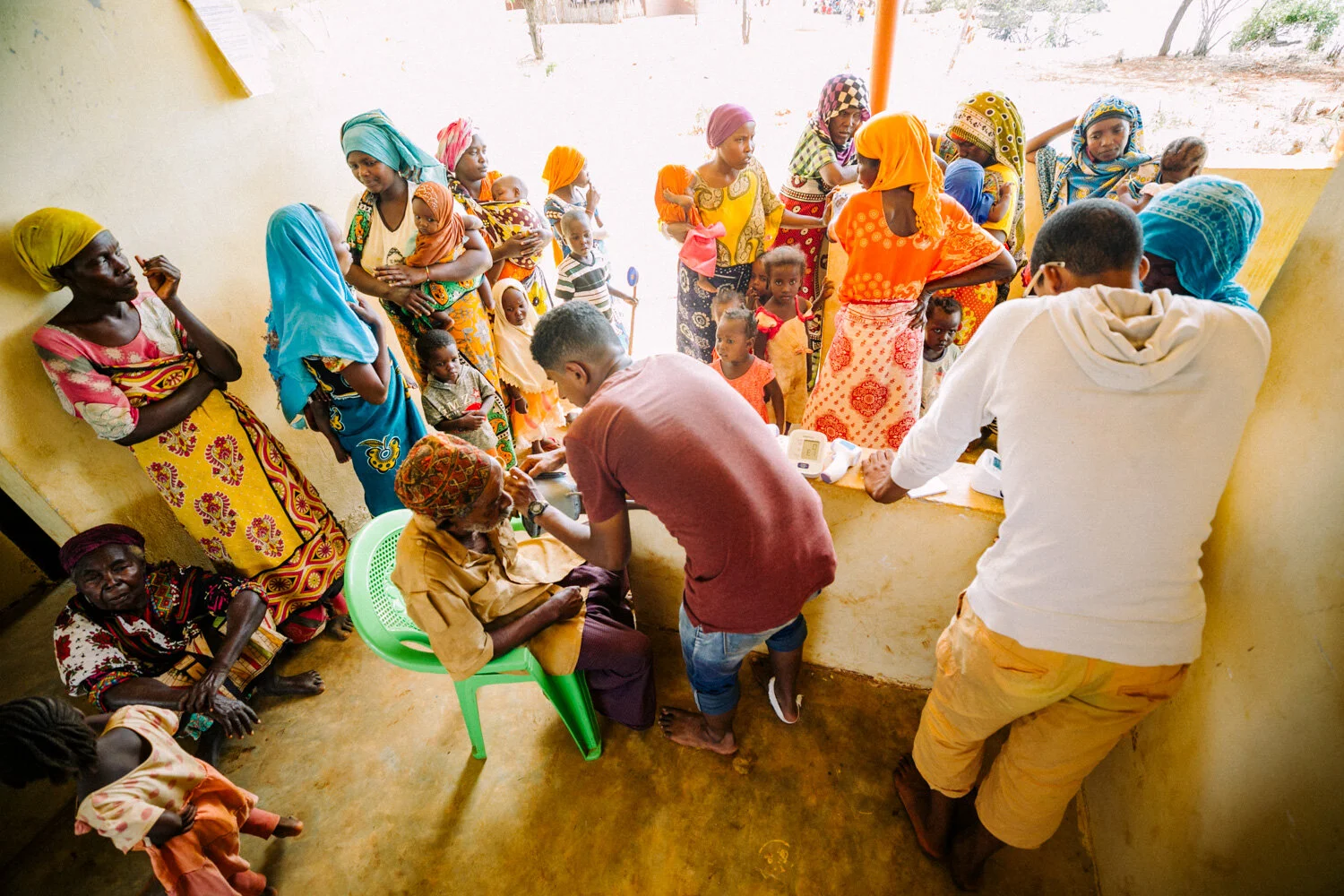
Diagnostics that travel
Laboratory capacity travels with the team, so treatment is based on a test rather than a guess. The laboratory at the medical centre ran 764 tests in its first full year.
Why it mattersWithout on-site diagnostics, treatment is presumptive. Respiratory infections, peptic ulcer disease and skin conditions were the top three presentations in 2025.
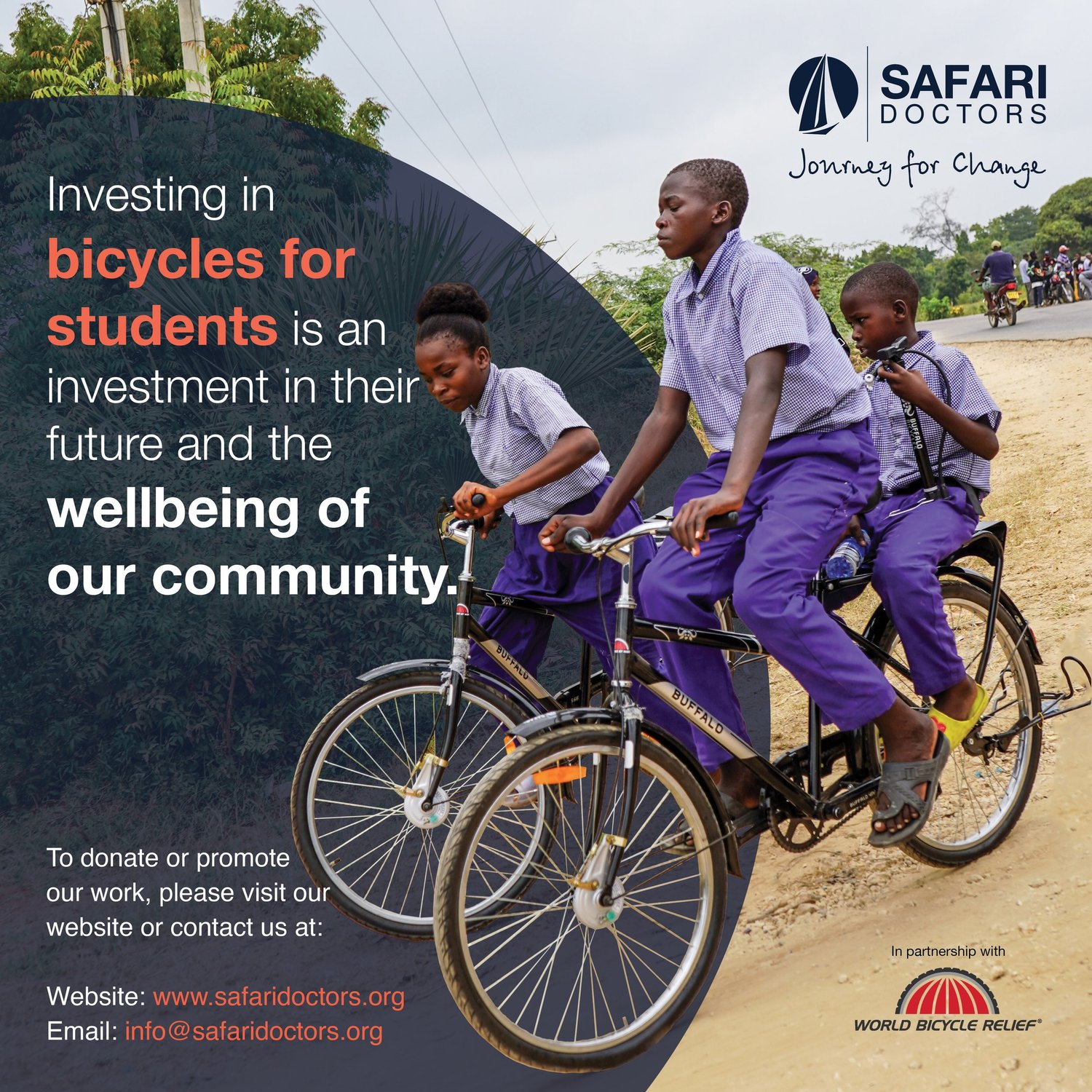
Two hundred bicycles
Distributed with World Bicycle Relief, girls prioritised, with three local mechanics trained and a five-year warranty so the bicycles stay on the road.
Why it mattersTravel time to school fell 47%, from 146 minutes to 77. Monthly transport cost fell 98%, from KSh 4,228 to KSh 62. 700–800 more people reached indirectly.
What the activities have produced
H1 2026
10,192
outreach contacts across 22 villages
H1 2026
13,415
conditions treated — 1.42 per patient
H1 2026
2,227
children under five treated
2025
34%
of NCD visits were repeat visits
2025
200
bicycles distributed; travel time down 47%
Increase access to preventive and primary health care, improve the management of chronic illnesses, reduce maternal and child mortality, and achieve full immunisation coverage.
Strategic Plan 2025–2030 · strategic priorityThe latest quarter
July to September 2026. All human health outreach in the quarter took place in September.
2,241
client visits across 21 villages in one outreach round. Clinical consultations, family planning and immunisation.
56.3%
of visits were children and adolescents aged 0–18 — 1,262 of them. Female clients were 63.1%.
66.9%
of recorded conditions were respiratory, gastrointestinal or skin. Common cold alone accounted for 601 entries.
8.9%
of visits documented a chronic condition — hypertension, arthritis or rheumatism, diabetes, asthma or epilepsy. 200 visits in all.
What the quarter also shows
One round, not three
No human health outreach ran in July or August. The whole of Q3’s 2,241 visits came from a single September round, and the July and August facility returns are still outstanding. A monthly route is the design; this quarter it was not achieved, and saying so is more useful than an average that hides it.
Three quarters of the records were written by hand. 534 of 2,241 outreach records were captured digitally on Banda; 1,707 were manual, because internet access across the villages is poor. A field trial of OpenSRP 2 and the Community Health Toolkit is the recommended next step.