Youth Health Ambassadors: Building Health Systems That Listen Earlier
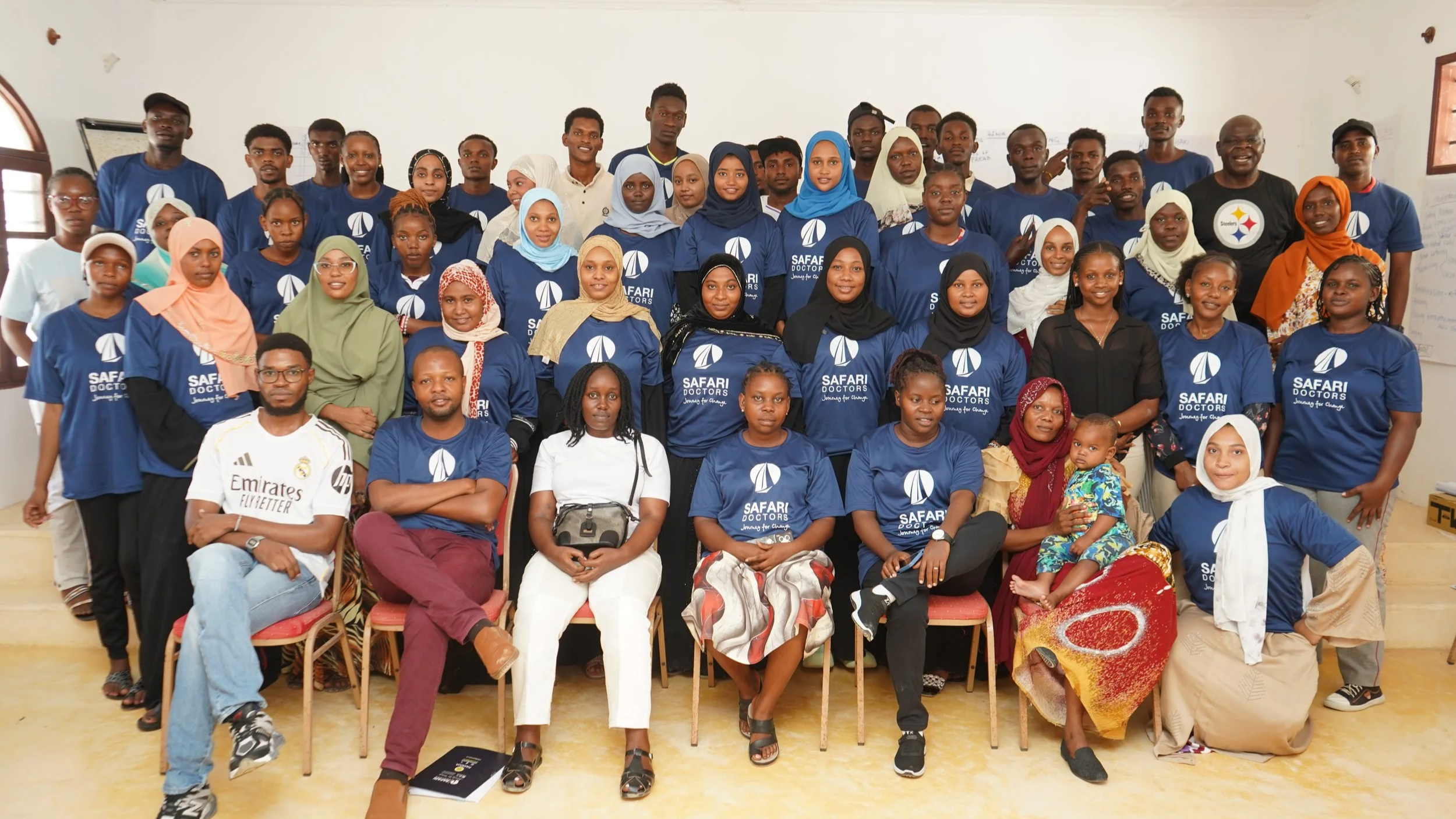
Safari Doctors has concluded the first training of the newly recruited Youth Health Ambassadors (YHAs)—marking the start of a new cohort of 60 young leaders drawn from Lamu, Garissa, and Tana River counties.
This moment is more than a training milestone. It reflects a proven model of youth leadership that strengthens health systems through trust, early engagement, and community connection—before challenges escalate into crises.
Alongside welcoming the new cohort, we also recognized former Youth Health Ambassadors, awarding certificates in appreciation of their completed service and the lasting impact they have made within their schools and communities.
Why Youth Leadership Matters
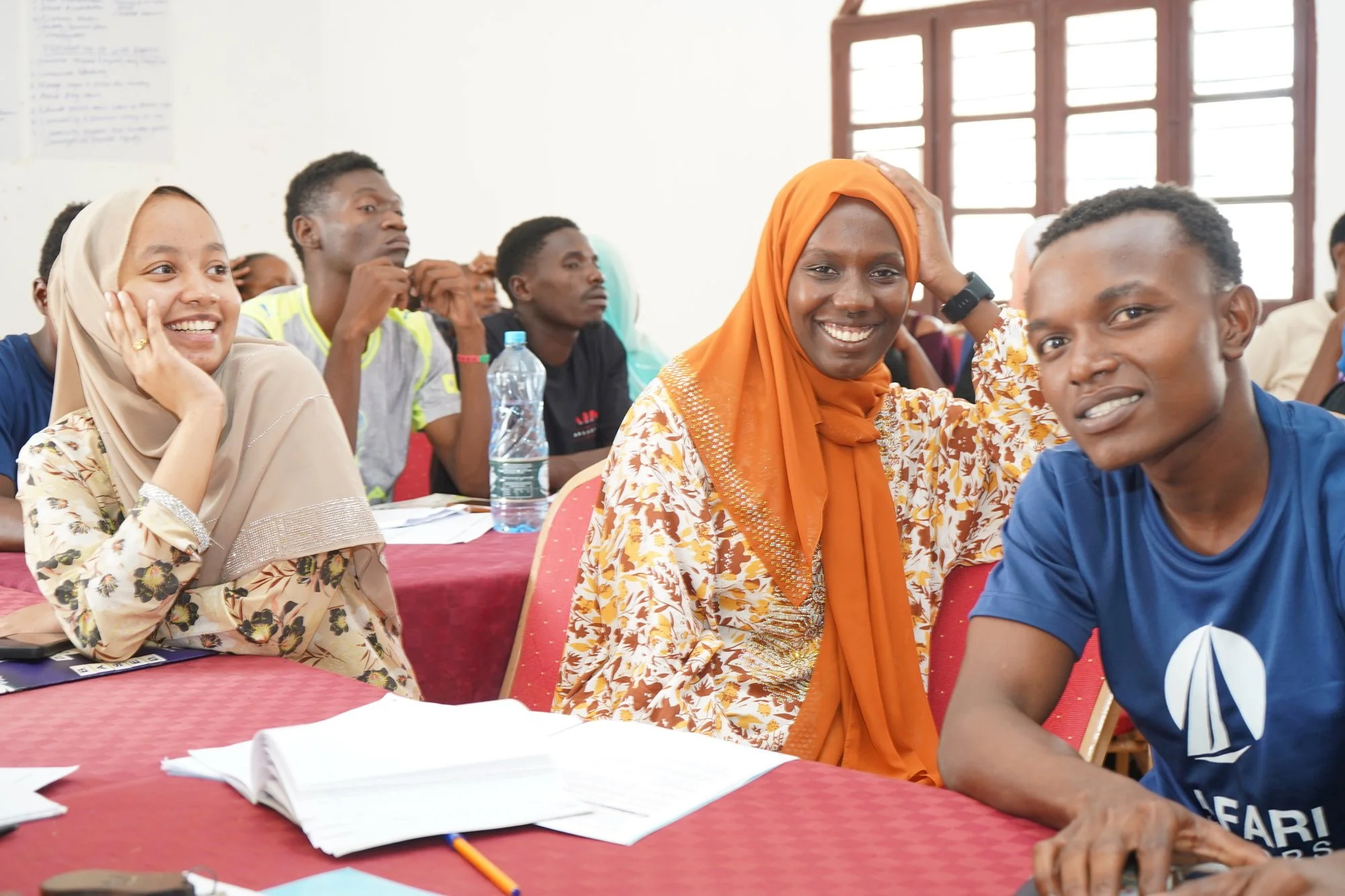
In many of the communities Safari Doctors serves, young people face barriers that rarely make headlines but shape futures every day:
Health information is limited or stigmatized
Care is often distant or delayed
Adolescents are discouraged from asking questions
Silence surrounds puberty, SRHR, and mental well-being
Traditional health systems often reach young people after problems have already escalated. The Youth Health Ambassador model exists to change that—by placing trusted, trained young people at the center of prevention, education, and referral.
Young people listen to young people.
Trust accelerates change.
Starting With Life Skills—By Design
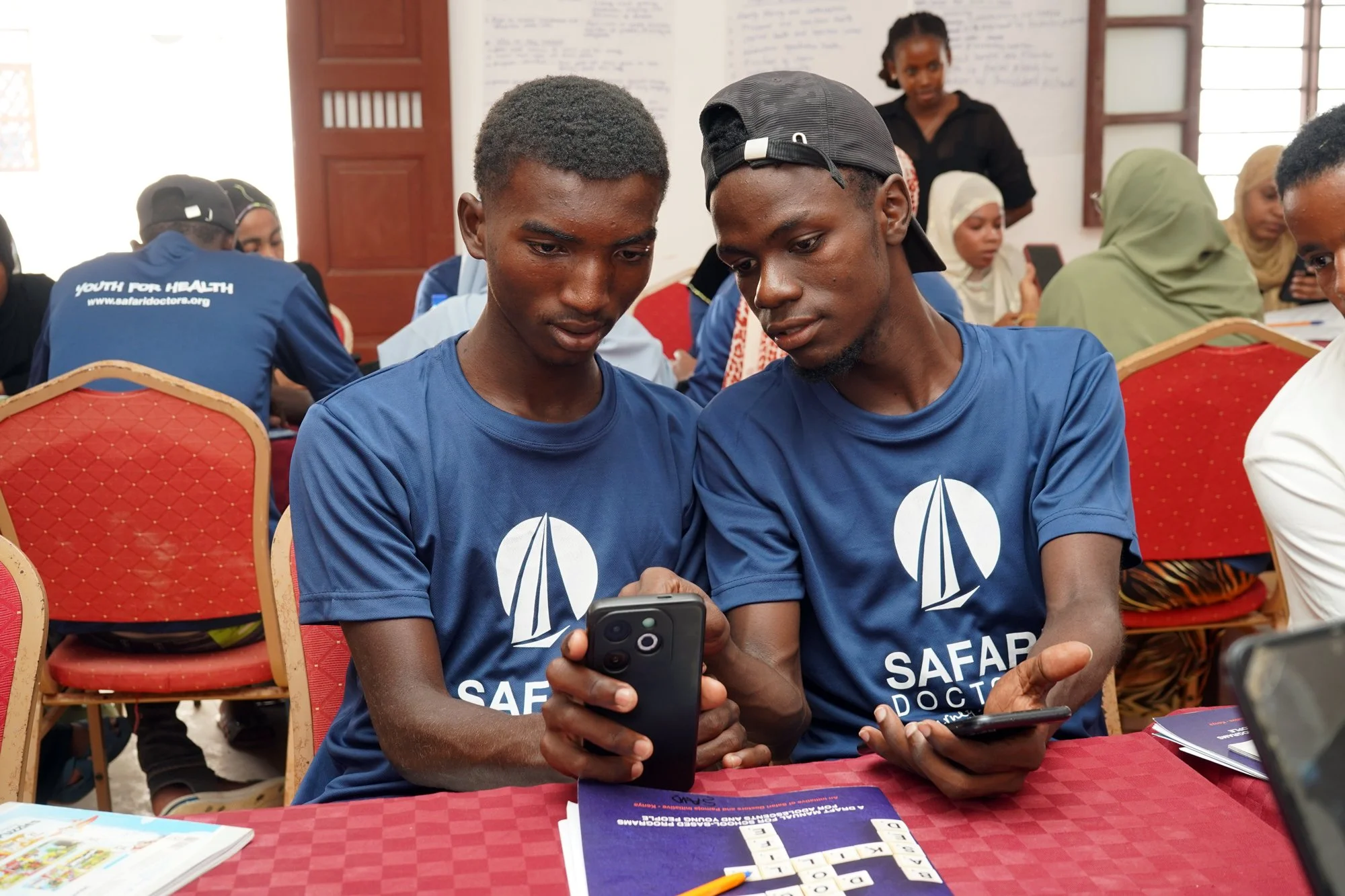
The first training for the 2025 YHA cohort focused on the life skills curriculum. This is intentional.
Before stepping into classrooms and communities, YHAs are equipped with the foundations of leadership, communication, self-awareness, decision-making, and responsibility. These skills prepare them to hold sensitive conversations safely, model healthy behaviors, and support peers with confidence and empathy.
Life skills are not an add-on.
They are the backbone of effective youth-led health systems.
The YHA Model at a Glance
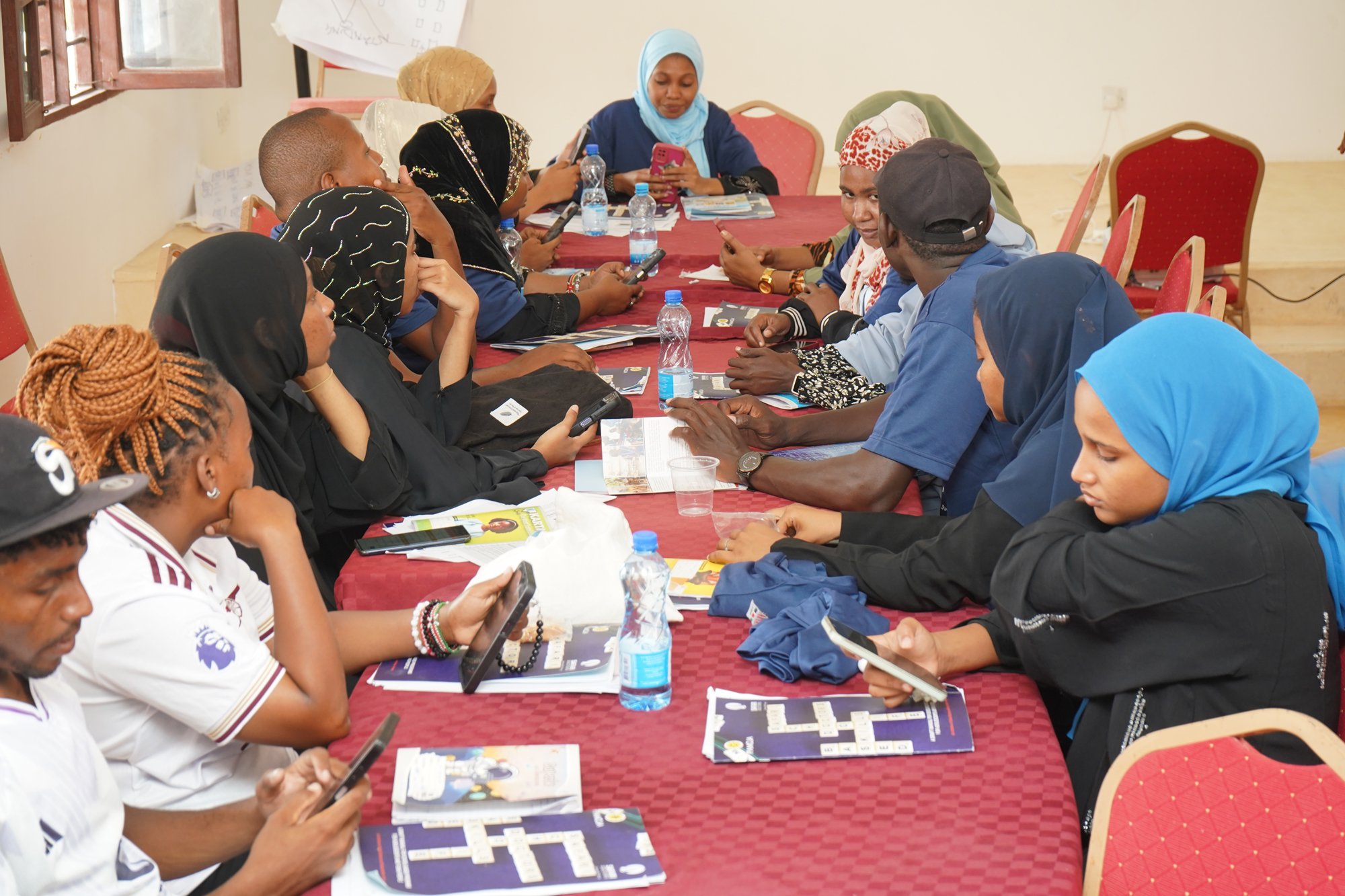
Since 2017, Safari Doctors has engaged 337 young people (ages 18–25) as Youth Health Ambassadors from the communities they serve.
YHAs are trained to support:
Peer-to-peer health education
School health programming
Community mobilization and outreach preparation
Basic triage and referral
Digital data collection and reporting
Gender, adolescent health, SRHR, and environmental health
They act as connectors—linking schools, households, outreach teams, and health facilities—reducing misinformation, identifying risks early, and strengthening community resilience.
From Training Room to Classroom
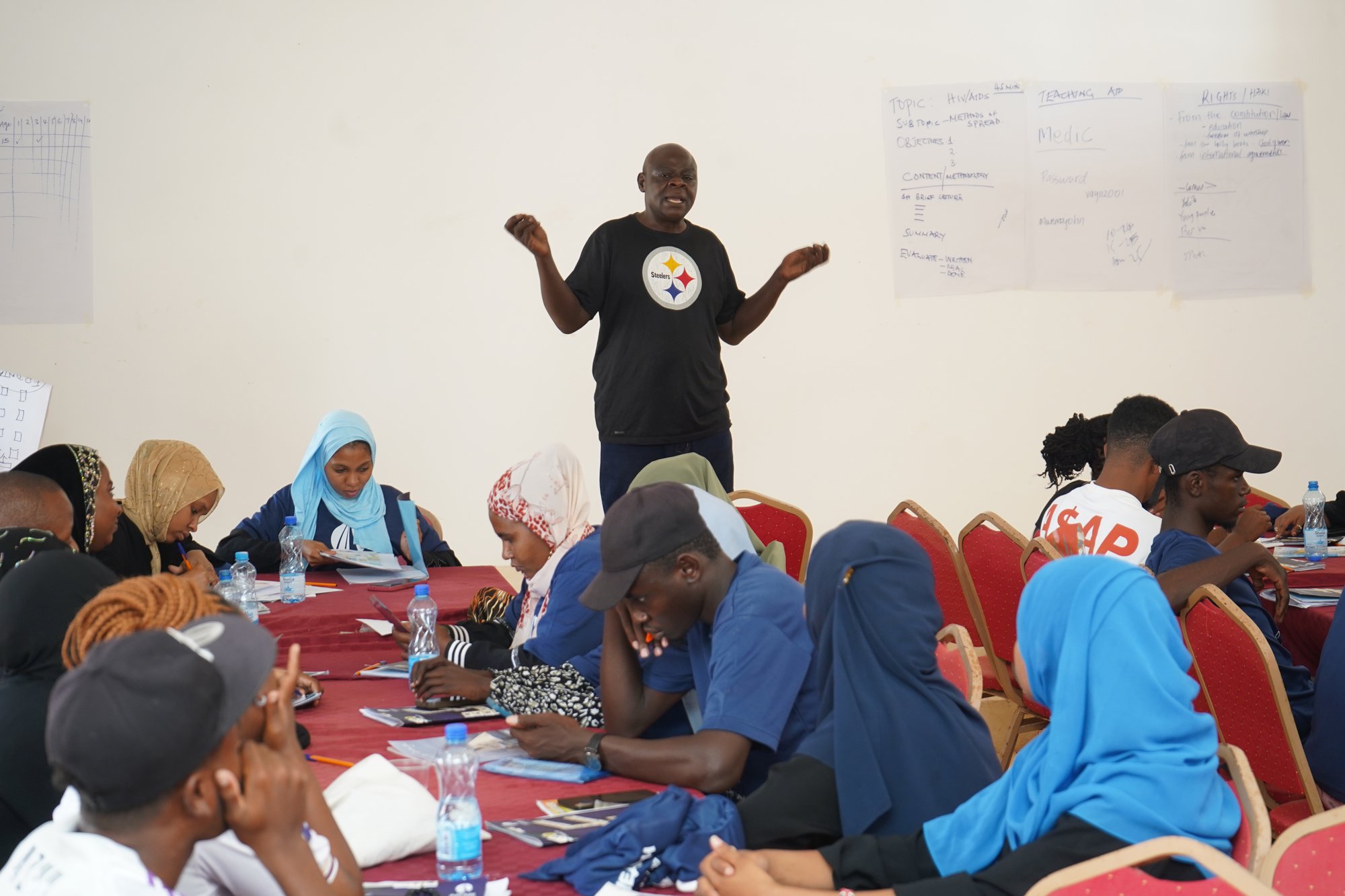
Following this first training, YHAs will be attached to selected schools, working alongside teachers to deliver structured, youth-led health education.
Schools are the one place where young people can be reached:
Consistently
Early
Safely
Through this model:
Health becomes part of daily learning, not an emergency response
Students receive accurate, age-appropriate information before risks escalate
Conversations around puberty, SRHR, and well-being are normalized
Clear referral pathways to trusted health facilities are established
From 2026, two YHAs will be embedded in each school, shifting from periodic visits to ongoing presence and support.
What YHAs Do in Practice
In 2025, Youth Health Ambassadors supported:
School health education sessions
Outreach mobilization across remote villages
Community health awareness activities
Digital data collection during human and animal health outreaches
Linkages between communities and trusted health facilities
Environmental clean-up and climate awareness drives
Their presence ensures outreach is not just something that arrives—but something communities are prepared for, engaged in, and supported long after teams leave.
Honoring Service, Strengthening Futures
As new YHAs begin their journey, we also honored former Youth Health Ambassadors, awarding certificates for the completion of their service.
These transitions reflect one of the program’s core outcomes:
youth livelihoods improve alongside community health outcomes.
Since inception:
60 active YHAs in 2025
60 newly trained in 2025
337 YHAs engaged since 2017
A Story That Represents the Model
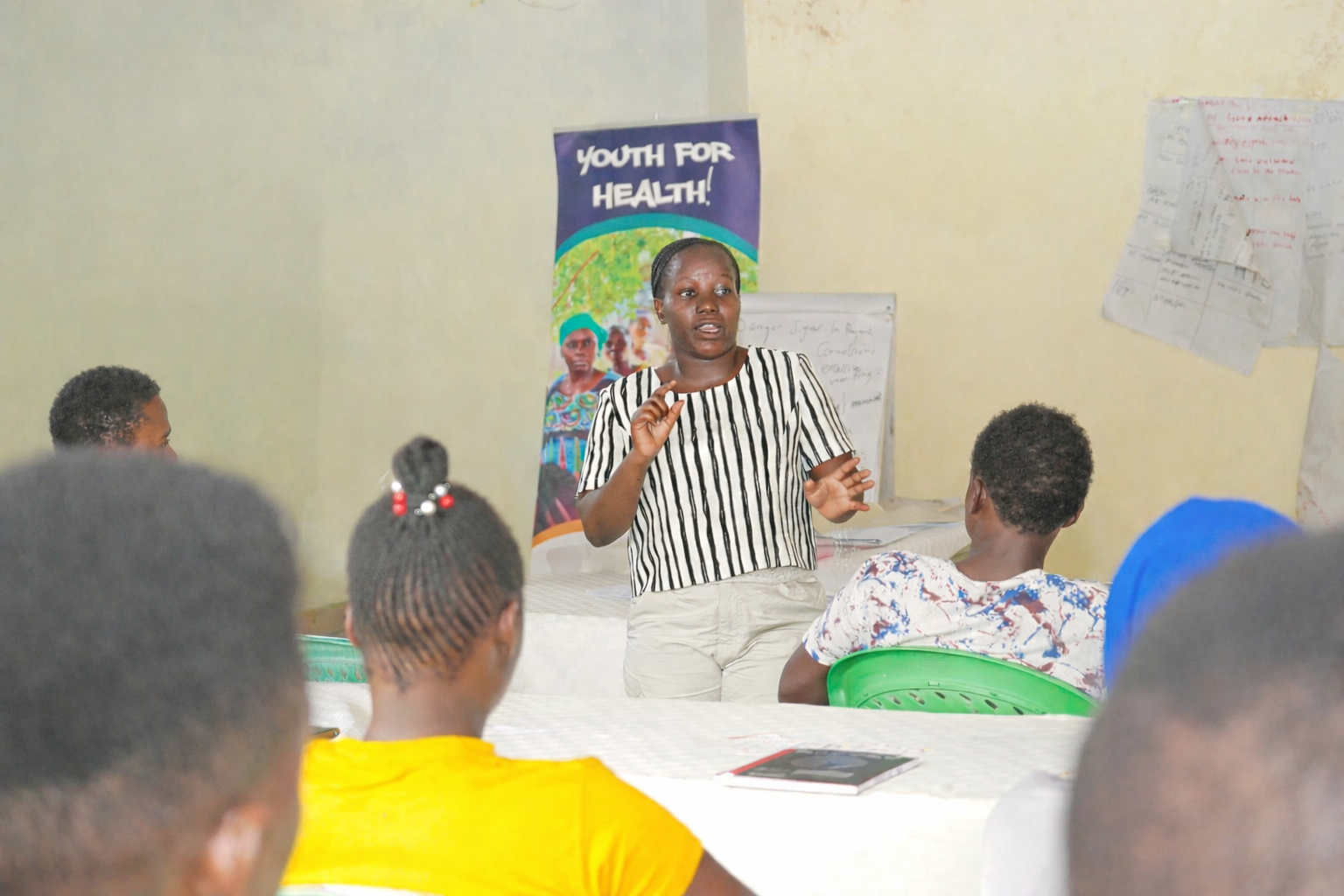
Former YHA Mercy Nangila from Hindi Ward, Lamu, is one of many young leaders shaped by this approach.
Through the program, Mercy gained leadership, communication, and digital skills while supporting school sessions, mobile medical outreaches, and community referrals. Today, she has transitioned into full-time employment—yet remains a trusted voice in her community, continuing to promote early care-seeking and informed health choices.
Her story reflects what the model makes possible:
Youth empowerment
Stronger community health knowledge
Earlier risk identification
Evidence-informed programming
Real livelihood pathways
Why This Model Works
When youth lead:
Conversations are real
Trust runs deeper
Risks are identified earlier
Health systems respond faster
At the same time, young people gain skills, confidence, and opportunity—creating a virtuous cycle where leadership becomes livelihood, and prevention becomes protection.
Outcome
When youth lead, health systems listen earlier—and communities respond faster.
This is how impact lasts for generations.